
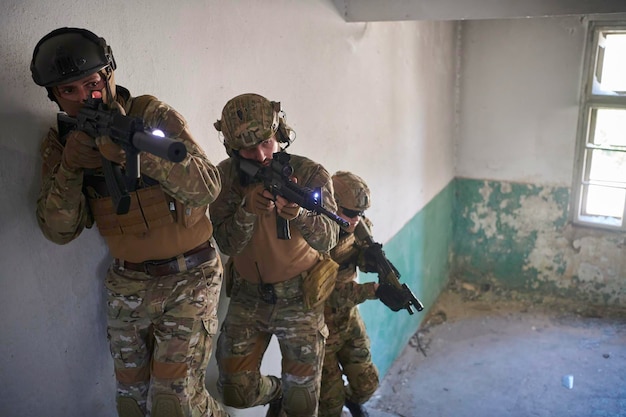
Clearing a room sounds intimidating, but in civilian life the goal is simple: keep people alive, avoid confrontation, and secure the area until help arrives. Whether you’re checking a suspicious noise at home, conducting a welfare check, or helping in an emergency, these safe, legal techniques will reduce risk and keep you and others protected.
1 — Mindset & Legal Ground Rules
- Safety first: Your priority is life and de-escalation — not “winning.”
- Know the law: Forcible entry, search of private property, or actions that escalate danger may be illegal. If you’re unsure, call authorities.
- Avoid confrontation: If an intruder is suspected, retreat to a safe location and call 911 / local emergency services. Don’t play hero.
- Assess risk: If children, elderly, or injured people are present, prioritize getting them to safety rather than pursuing a suspect.
2 — Before You Approach
- Pause & listen: Take a moment — what do you hear? Voices? Movement? Glass? Sounds tell a story.
- Gather intel: From a safe distance, note entry points, lights on/off, vehicle presence, and any visible hazards.
- Communicate: Call emergency services and give your location and observations before entering. If you’re with others, agree roles (caller, watcher, egress guard).
- Light & noise discipline: Keep lights off outside if checking a suspicious exterior; use a low-intensity flashlight indoors to preserve night vision and avoid startling anyone.
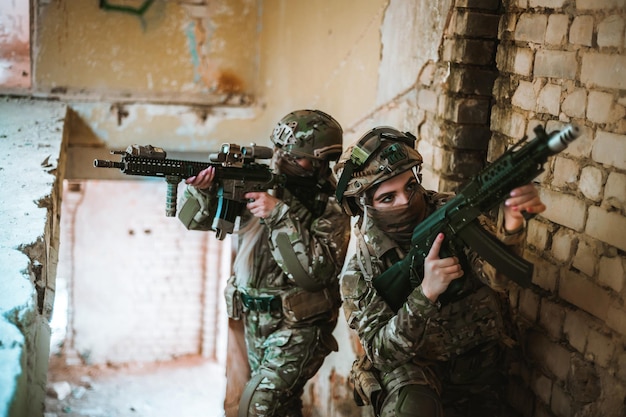
3 — Safe Entry Principles (Civilian / Search & Rescue)
These are safe, non-combat principles to check rooms without escalating danger:
- Announce your presence: Knock, call out calmly (“It’s [your name], is anyone hurt?”). Many accidental intrusions are cleared simply by announcing.
- Use a partner if available: One person watches the entry point (door) while the other performs the room check — two sets of eyes are safer.
- Keep the door in view: Don’t turn your back on an open doorway; maintain a line of sight to the exit so you can withdraw quickly.
- Move slowly and scan: Sweep the room with your eyes and ears first. Look for obvious hazards (fire, gas, broken glass, unconscious people).
- Check before you enter fully: If a room looks dangerous (shouting, weapons visible), do not enter — retreat and wait for help.
- Use barriers and distance: If you must secure a room, close doors behind you and wedge them if possible to control access until responders arrive.
- Don’t touch unknown items: Wires, pills, or suspicious containers could be hazardous. Report them to professionals.
4 — Special Situations
- If you find injured people: Provide basic first aid, stop major bleeding, keep them warm, and call for medical help. Don’t move someone with suspected spinal injury unless absolutely necessary.
- If you encounter an aggressive person: Your options are retreat, verbal de-escalation, or calling authorities. Never escalate physically unless it’s an immediate life-threat and you have legal justification.
- If you suspect fire, gas leak, or structural damage: Evacuate immediately and call emergency services. Don’t re-enter for possessions.
5 — Communication & Teamwork
- Pre-assign roles: In a household plan, assign who calls emergency services, who gathers kids/pets, and who meets responding officers outside.
- Use clear language: Short, calm phrases: “We’re leaving now,” “Stay low,” “Call 911.” Avoid frantic shouting.
- Rally point: Have an agreed safe meeting place outside the house where everyone can regroup and be counted.
6 — Training & Practice (Non-Combative)
- Fire & evacuation drills: Practice evacuations, safe-room entry, and how to call for help.
- Basic first aid & CPR: Life-saving skills are far more useful than combat tactics in civilian emergencies.
- Communication drills: Run through “in-house” scenarios so family members know their roles.
- Legal & self-defense classes: Take certified home-defense or self-protection courses that emphasize avoidance and legal boundaries.
7 — Equipment That Helps (Non-Lethal & Legal)
- Phone + charger: Keep an always-charged phone in your safe room or key location.
- Flashlight with red mode: Allows discreet illumination without blinding or drawing attention.
- Door reinforcement & locks: Solid deadbolts, reinforced frames, and door viewers increase safety and buy time.
- Alarm / siren / personal alarms: Loud noises attract help and deter intruders.
- First aid kit & emergency supplies in an accessible spot.
8 — After the Event: Secure, Document, Report
- Don’t touch the scene: Preserve evidence for law enforcement if a crime occurred.
- Write down what you observed: Who, what, when, where — fresh notes help police and insurers.
- Get medical checks: Adrenaline masks injuries — check everyone even if they feel fine.
- Review & improve: Update your family plan based on what happened. Consider upgrades to locks, lighting, or alarm systems.
Quick Civilian Room-Check Checklist
- Is everyone accounted for? ✅
- Is emergency services called? ✅
- Announce before entry (knock/speak) ✅
- One person watches the door / exit ✅
- Scan first — don’t touch suspicious items ✅
- If injured found: stabilize, warm, call EMS ✅
- If life is threatened: retreat to safe room, secure door, await help ✅
Final Thoughts
Room entry and clearing for civilians is about risk management, clear thinking, and protecting people — not tactical maneuvers. If you train, focus on avoidance, evacuation, first aid, and legal knowledge. When in doubt, call professionals — police, fire, and EMS are trained and equipped for dangerous entries.
Visited 131 times, 1 visit(s) today