

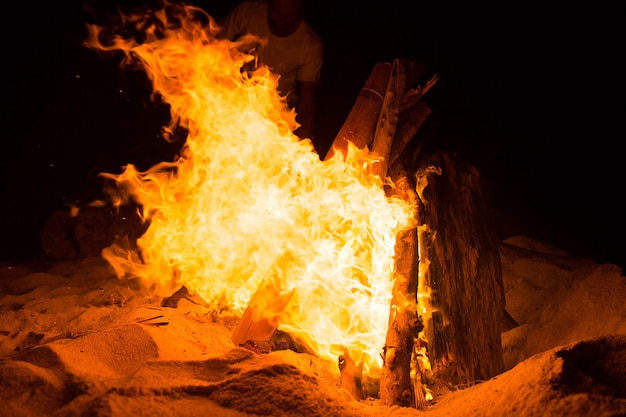
Fire has always been humanity’s ultimate survival tool — it provides warmth, light, a way to cook food, and even a sense of security against predators. But in a survival situation, one of the biggest challenges is keeping a fire going through the night without constantly waking up to feed it. This is where the science of fire comes in. By understanding how fire works — fuel, oxygen, and heat — you can build a flame that burns strong and steady until morning.
The Fire Triangle: The Basics You Need to Know
Every fire needs three key elements:
- Fuel – Wood, charcoal, or anything that will burn.
- Oxygen – Airflow keeps the fire alive.
- Heat – Enough warmth to sustain combustion.
If any side of the triangle is missing, your fire dies. Building a long-lasting flame means balancing these three perfectly.
Choosing the Right Fuel
Not all wood burns the same. For a fire that lasts all night, you need the right combination:
- Softwoods (pine, fir, cedar): Ignite quickly but burn fast. Good for starting fires.
- Hardwoods (oak, maple, hickory, birch): Burn slowly and produce long-lasting coals. Perfect for overnight fires.
👉 Pro tip: Use softwood for ignition and hardwood for sustained heat.
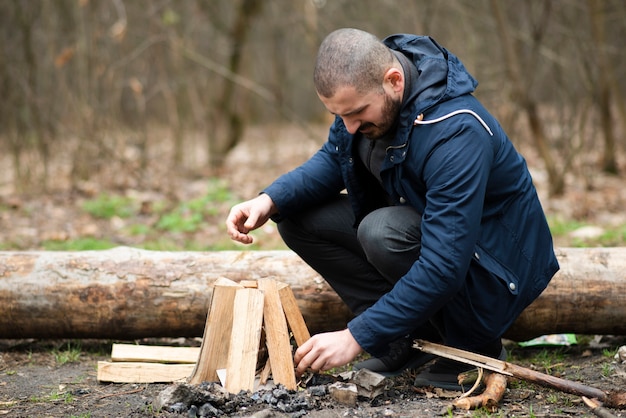
Fire Structure That Lasts
How you stack your wood matters as much as the fuel itself. Some proven structures include:
- Log Cabin Fire: Crisscrossed logs create airflow and stability. Great for beginners.
- Pyramid Fire (Upside-Down Fire): Large logs at the bottom, medium in the middle, and kindling on top. As the top burns, it slowly ignites the layers below, keeping flames alive for hours.
- Long Fire: Two parallel logs with fuel in between. Common in survival scenarios and good for warmth through the night.
The Role of Coals
A fire’s true power isn’t the flames — it’s the coals. Coals release steady heat and can last for hours, sometimes even after the flames die. To maximize coals:
- Use dense hardwoods.
- Rake burning wood into the center as it turns into embers.
- Cover coals lightly with ash to insulate and slow burning.
Fire Maintenance: Do Less, Not More
Once your fire is properly built, resist the urge to over-manage it. Some simple tips:
- Don’t smother it: Too much wood at once can block oxygen.
- Feed smartly: Add larger logs before sleeping, not small sticks.
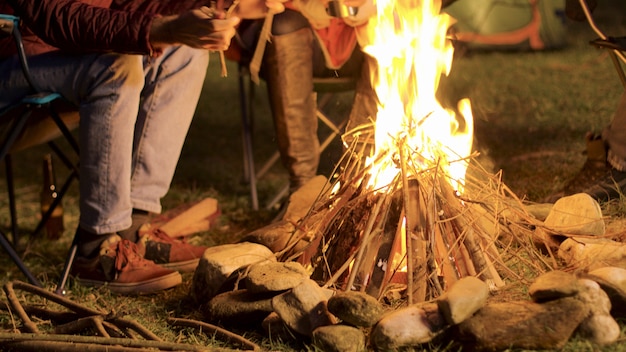
- Use rocks as reflectors: Place stones around the fire to reflect heat and keep warmth focused.
Safety First
While building a lasting fire is vital, safety comes first:
- Clear an area at least 10 feet from tents or flammable material.
- Build a fire ring with rocks if possible.
- Always have water or dirt nearby to extinguish in emergencies.
Final Thoughts
Mastering the science of fire is more than just survival — it’s about comfort, security, and peace of mind in the wild. With the right wood, proper fire structure, and a little patience, you can create a flame that burns strong until sunrise.
🔥 Remember: Fire isn’t just about survival — it’s about thriving in the wilderness.