
The core tactical principles of survival remain the same: water, shelter, food, and security. But how you apply them in a concrete jungle is a different game entirely. Your mission is to stay below the radar, manage your resources, and avoid the crowd.
1. Water: The Immediate Priority
In an urban crisis, the water will likely stop running first. Don’t wait until you’re thirsty.
- Tactical Sources: Look for water in sources you might not normally consider. The hot water heater in your basement is a massive, clean reservoir. The water in the tank of a toilet (not the bowl) is also clean and safe to drink. Rainwater collection is a simple, effective method.
- The Rule: Just like in the wild, never drink untreated water from a faucet or a public source, as it could be contaminated.
2. Shelter and Security: Your Urban Fortress
Your apartment or house is your first shelter. Your tactical goal is to make it a fortress and avoid being out in the open.
- The Tactic: “Harden” your shelter. Use furniture to barricade doors and windows. Have a plan for a single, secure entry and exit point. Stay away from large public spaces like grocery stores or public squares, which will be the first places to become dangerous.
- The Principle: In a crisis, the city is a magnet for chaos. You want to be a ghost.
3. Food: The Art of Scavenging and Rationing
You might have food in your pantry, but what happens when it runs out?
- Initial Scavenging: In the first 24-48 hours, a grocery store might still have food, but it will be a high-risk area. Your best bet is to find non-perishable food that others might overlook, like spices, canned goods, or pet food.
- Rationing: You need to be a tactical food manager. Ration your supplies. A can of beans that would normally be a meal for one can be stretched into three or four. Remember, your body can go for weeks without food, but your morale can’t.
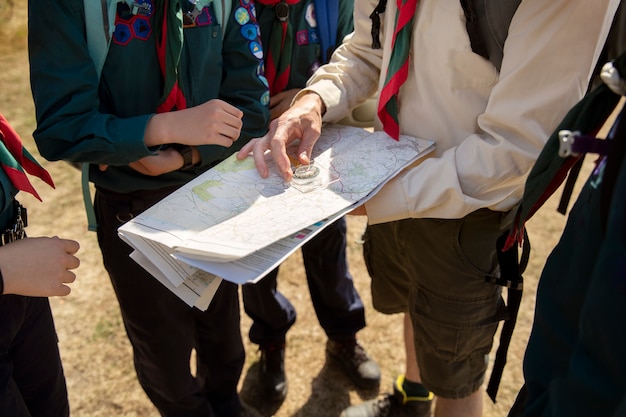
4. Mobility and Navigation: The Urban Trail
A car can be your best asset or a huge liability in an urban crisis. A tactical operator knows the city on foot.
- Navigation: Learn your city without a GPS. Use major roads, rivers, or landmarks. Knowing the city’s layout allows you to move discreetly and avoid major choke points.
- Mobility: Avoid major streets and public transportation, as they’ll likely be clogged. Your tactical path is through back alleys, side streets, and parks.
The Bottom Line: Urban survival is about using a tactical mindset to manage resources and avoid conflict. By being prepared, you can turn a concrete jungle into a defensible landscape and get home safe.