
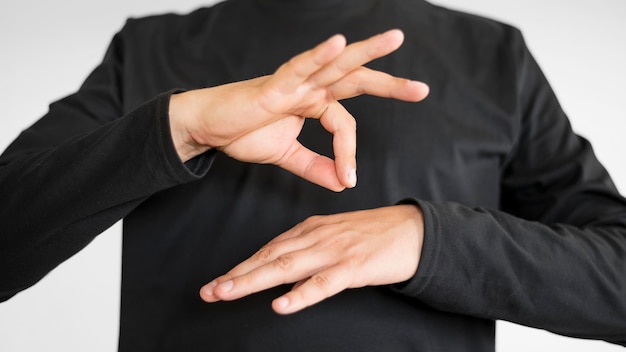
In high-stress environments, silent communication can save lives. Whether it’s law enforcement, military units, survival teams, or even outdoor adventurers, the ability to communicate without making a sound is a critical tactical skill. Hand signals allow teams to coordinate movements, share warnings, and stay invisible to potential threats.
Here are the essential hand signals and silent communication tactics every tactical team should know.
Why Silent Communication Matters 🎯
- Stealth: Avoids alerting enemies or drawing attention.
- Clarity: Prevents miscommunication in noisy or chaotic environments.
- Speed: Conveys instructions faster than whispers or radios.
- Universality: Signals can be understood even if language barriers exist.
👉 In short: when silence is survival, hand signals do the talking.
1. Stop ✋
- Palm facing outward, fingers up.
- Universal sign to halt immediately.
👉 Use Case: Stopping movement in dangerous or suspicious areas.
2. Move / Advance ➡️
- Arm extended forward, palm down, pushing forward motion.
- Sometimes a simple hand wave to indicate “go.”
👉 Use Case: Directing a team to keep moving forward safely.
3. Rally / Gather 👊
- Arm raised overhead, hand circling, then pointing down.
- Signals the team to regroup at one location.
👉 Use Case: After splitting or scattering during movement.
4. Enemy Spotted 👀
- Pointing with two fingers toward the eyes, then toward the threat.
- Discreet and fast way to mark danger.
👉 Use Case: Alerting teammates without making noise.
5. Take Cover 🛡️
- Hand flat, palm down, pushing downward toward the ground.
- Urges the team to get low or move to cover.
👉 Use Case: Incoming threat, sniper danger, or sudden exposure.
6. Split / Flank ↔️
- Hands motioning outward to both sides.
- Directs team to spread out or flank the target.
👉 Use Case: Surrounding or outmaneuvering an opponent.
7. Quiet / Silence 🤫
- Index finger pressed to lips.
- Universal for “stay quiet.”
👉 Use Case: When stealth is more important than speed.
8. Help / Medic ✚
- Cross arms into an “X” over the chest, or tap one arm with the opposite hand.
- Signals injury or need for medical attention.
👉 Use Case: Tactical first aid situations.
9. All Clear 👍
- Thumbs up or hand circling above the head.
- Lets the team know it’s safe to move.
👉 Use Case: Secured area after scanning or eliminating threat.
10. Number Signals (1–10)
- Fingers held up to indicate numbers.
- Useful for signaling enemy count or directions without speaking.
👉 Use Case: “3 enemies spotted” → hold up three fingers.
Pro Tips for Effective Hand Signal Use 📝
- Practice regularly so signals become second nature.
- Keep movements clear and deliberate — no small gestures.
- Maintain line of sight with your team.
- Use signals consistently — avoid making up new ones in the field.
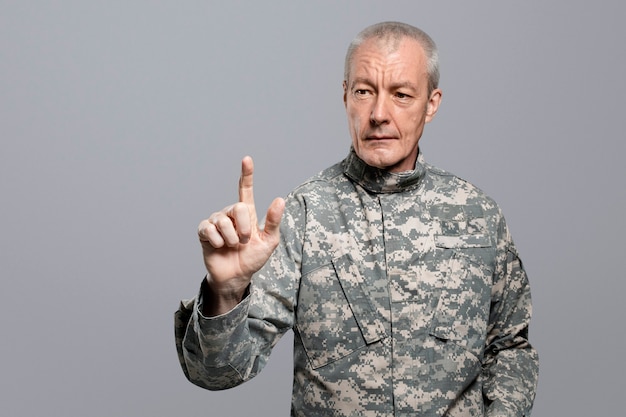
Final Thoughts
In tactical environments, words can get you caught — but signals can save you. Mastering hand signals like stop, advance, enemy spotted, and take cover ensures smooth, silent communication under pressure.
Whether you’re part of a tactical team, survival group, or just preparing for emergencies, hand signals are a skill every prepared person should learn.
👉 Remember: silence speaks louder than words when survival is on the line.