
While we hope to never need them, knowing a few basic self-defense moves can be a game-changer if you ever find yourself in a dangerous situation. It’s not about becoming a martial arts master overnight, but about learning simple, effective techniques that can create an opportunity to escape. Your primary goal in any self-defense scenario is always escape and survival, not to “win” a fight.
These moves focus on leveraging vulnerable points, creating distance, and using your body’s natural strengths to disorient or deter an attacker. Practice these motions regularly to build muscle memory, but always remember: awareness and de-escalation are your first lines of defense.
The Core Principles of Self-Defense
Before we dive into moves, remember these principles:
- Awareness: Always be aware of your surroundings.
- Avoidance: The best fight is the one you avoid.
- De-escalation: Use your voice and body language to defuse tension.
- Surprise & Speed: If you must act, do so quickly and decisively.
- Target Vulnerable Areas: You’re not trying to throw perfect punches; you’re aiming for soft, sensitive targets.
- Escape: Your ultimate goal is to get away to safety.
Basic Self-Defense Moves
Here are some fundamental techniques anyone can learn:
1. The “Hands Up” Defensive Stance (Verbal & Physical)
- How to Do It: If someone confronts you, put your hands up in front of your chest, palms forward, fingers spread slightly. This is a non-threatening gesture that says, “I don’t want trouble,” but also puts your hands in a defensive position, ready to block, push, or strike.
- Why It Works: It creates a boundary, shows you’re not an easy target, and primes you for action without appearing aggressive. It also allows you to push an attacker away, regain balance, or initiate a strike.
2. The Palm Heel Strike (For Disorientation)
- How to Do It: This is an incredibly effective strike that doesn’t require a closed fist (which can injure your hand). With your hand open, fingers extended (but not stiff), strike forward and up with the heel of your palm. Your target is the attacker’s nose, chin, or jaw.
- Why It Works: It leverages the strength of your wrist and forearm, delivering a powerful blow that can cause pain, disorient, and snap the head back, giving you a chance to run.
3. The Knee Strike (Close Quarters Power)
- How to Do It: If an attacker gets too close, or grabs you, lift your knee sharply upwards. Your target is the attacker’s groin, inner thigh, or stomach. You can use your hands to push their head down or pull them closer as you strike for maximum impact.
- Why It Works: The knee is a powerful, hard bone, and the groin is an extremely vulnerable target. A well-placed knee strike can cause excruciating pain, instantly incapacitating an attacker and allowing you to escape.
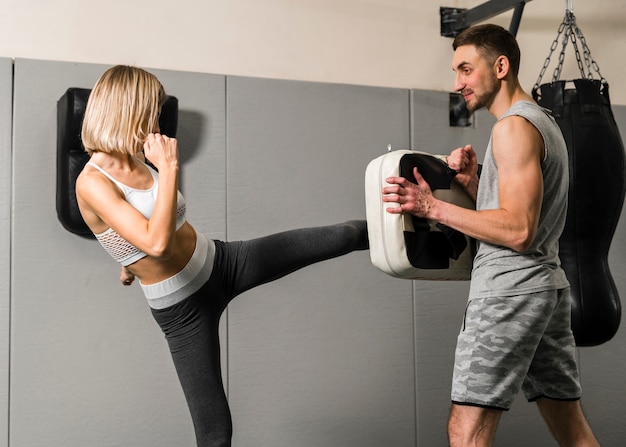
4. The Groin Kick (Creating Distance)
- How to Do It: Similar to the knee strike but from a slightly greater distance. If an attacker is too close for a full kick, use the top of your foot (instep) to kick upwards into the groin. If you have a little more space, use your heel or the front of your foot for a more powerful strike.
- Why It Works: This is a universal “stop” button. The pain will likely cause the attacker to double over, giving you a precious window to run.
5. The Elbow Strike (If Attacker is Behind You or Very Close)
- How to Do It: If an attacker is grabbing you from behind, or you’re in very close quarters, an elbow strike is devastatingly effective. Drive your elbow backward into their chest, face, or solar plexus. You can also pivot your body and swing your elbow horizontally into their head or ribs.
- Why It Works: Elbows are extremely hard and can generate a lot of force in close range. It’s an excellent move when you don’t have room for a full punch or kick.
6. Breaking a Wrist Grab (Simple Escape)
- How to Do It: If someone grabs your wrist, don’t try to pull straight back. Instead, twist your wrist inwards towards their thumb (the weakest part of their grip) and pull your hand sharply upwards and outwards, simultaneously stepping back.
- Why It Works: This exploits the natural weakness in a human grip and uses leverage to break free without brute force.
Practice and Mindset
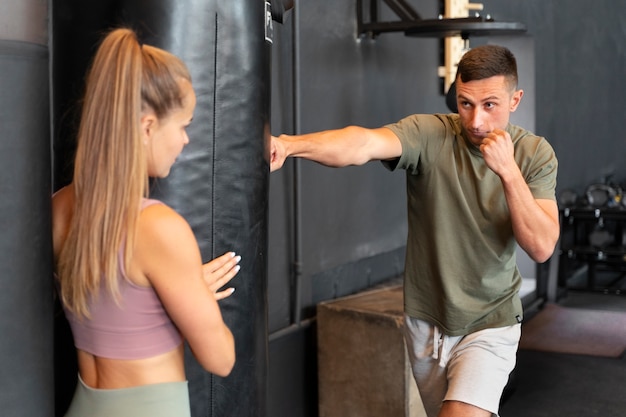
- Consistent Practice: Run through these moves a few times a week. The more familiar they are, the more likely you are to use them effectively under stress.
- Target Practice (Imaginary): Visualize scenarios and practice striking imaginary targets.
- Scream and Run: The moment you create an opening, scream loudly (“NO!”, “HELP!”, “FIRE!”) and run as fast as you can to safety. Don’t look back.
Knowing these basic self-defense moves isn’t about inviting conflict; it’s about empowering yourself with the ability to protect your personal safety and ensuring you have every possible chance to get away unharmed. Your body is a powerful tool—learn to use it.