
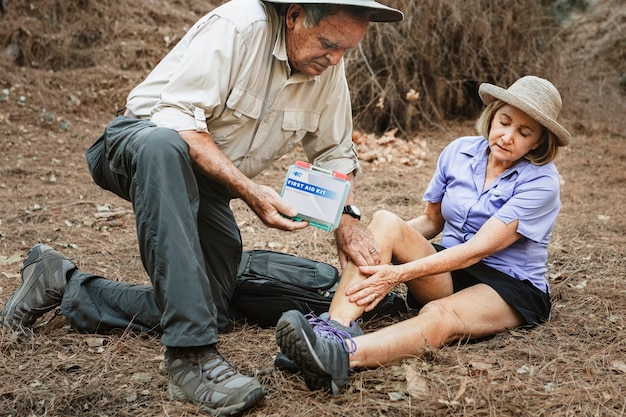
Wilderness medicine is a tactical skill for stabilizing a patient and preventing an injury from getting worse until professional help arrives. It’s about being proactive, not reactive, and knowing what to do when every second counts.
1. Stopping the Bleed: The Immediate Priority
The first rule of wilderness medicine is to stop any major bleeding. A severe cut can lead to rapid blood loss and, in a worst-case scenario, death.
- The Tactic: Use direct pressure. Find a clean piece of cloth or a bandage and press down firmly on the wound. Hold the pressure for at least 10 minutes. If the bleeding is severe and life-threatening, you may have to apply a tourniquet. This is a last resort, as it can cause tissue damage, but it’s a tactical decision to save a life.
2. Treating Shock: The Silent Killer
Shock is a life-threatening condition that can be caused by injury, blood loss, or dehydration. It’s a physiological response that can lead to organ failure.
- The Tactic: Look for signs of shock: pale, cool, clammy skin; a weak, rapid pulse; and confusion. The tactical treatment for shock is to keep the person warm (use a blanket or a jacket), keep them calm, and elevate their legs (if there are no spinal injuries) to get blood back to the vital organs.
3. Hypothermia and Hyperthermia: The Environmental Threats
These are two of the most common and dangerous threats in the wild.
- Hypothermia (Too Cold): The signs are shivering, confusion, and a lack of coordination. The tactical treatment is to get the person to a warm place, get their wet clothes off, and wrap them in a blanket or sleeping bag.
- Hyperthermia (Too Hot): The signs are a rapid pulse, dizziness, and a lack of sweat. The tactical treatment is to move the person to the shade, give them water, and cool them down.
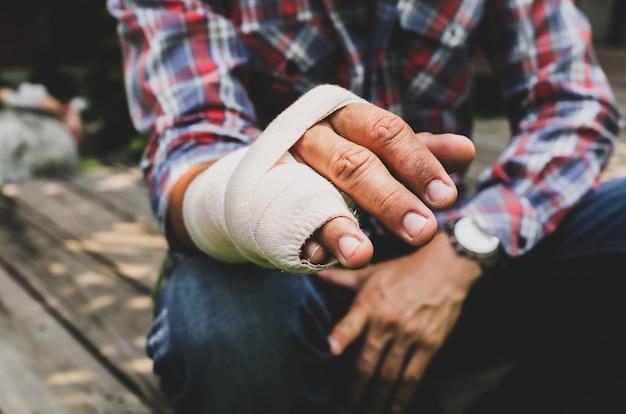
4. Sprains and Fractures: The Improvised Splint
A sprained ankle or a broken bone can turn a simple hike into a mission to get home on one foot. Your tactical goal is to stabilize the injury.
- The Tactic: Use two pieces of straight wood (like sticks) and some cordage to improvise a splint. Place the sticks on either side of the broken limb and tie them firmly but not too tightly. This will prevent movement and lessen the pain, allowing you to move or wait for help.
The Bottom Line: A well-stocked first-aid kit is useless without the tactical knowledge to use it. By mastering these core wilderness medicine skills, you’re not just preparing for a crisis—you’re preparing to save a life.