

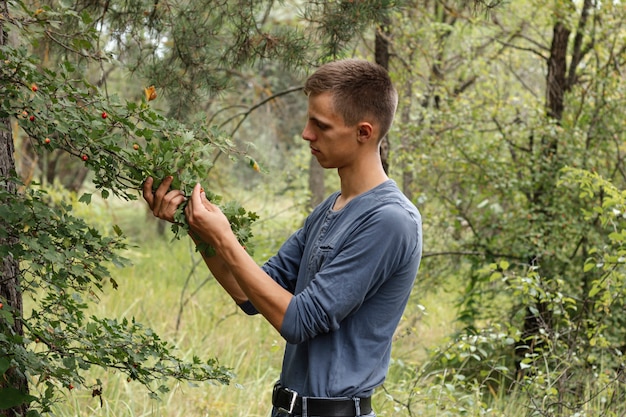
When you’re out in the wild, knowing which plants can feed you, heal you, or keep you alive is one of the most valuable survival skills you can master. Nature provides countless resources — but the key is being able to tell the safe plants from the dangerous ones.
In this guide, we’ll cover some of the most essential survival plants you should learn to recognize before heading outdoors.
Why Learn Plant Identification?
- Food source – Edible plants can sustain you when hunting or fishing fails.
- Medicine – Some plants have healing properties for wounds, burns, or stomach issues.
- Safety – Misidentification can be fatal, so knowledge prevents costly mistakes.
- Self-reliance – Boosts your confidence in wilderness survival situations.
Essential Survival Plants to Know
1. Cattail (Typha species)
- Where to find it: Wetlands, marshes, pond edges.
- Uses: Roots can be boiled or roasted, shoots are edible, and fluff can be used for insulation or fire-starting.
- Why it matters: One of the most versatile survival plants.
2. Dandelion (Taraxacum officinale)
- Where to find it: Open fields, lawns, disturbed soil.
- Uses: Leaves can be eaten raw or cooked, flowers used for tea, and roots roasted as a coffee substitute.
- Why it matters: Available almost everywhere, rich in vitamins A, C, and K.
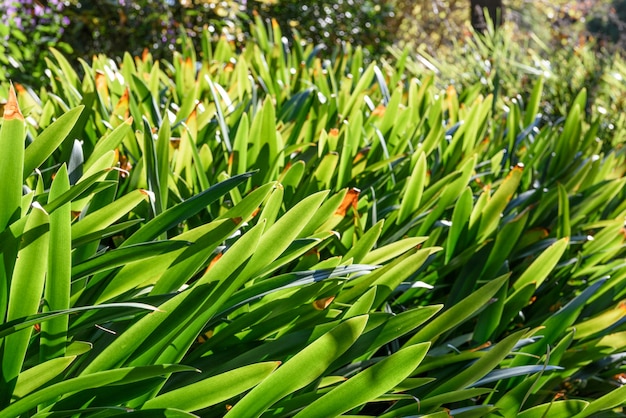
3. Plantain (Plantago major/lanceolata)
- Where to find it: Roadsides, grassy patches, compacted soil.
- Uses: Leaves soothe insect bites, burns, and wounds when crushed. Young leaves are edible.
- Why it matters: A natural first aid kit under your feet.
4. Stinging Nettle (Urtica dioica)
- Where to find it: Moist, fertile soil near rivers or forests.
- Uses: Boiled leaves make nutrient-rich greens, stems can be turned into cordage.
- Caution: Wear gloves when harvesting to avoid stings.
5. Wild Garlic/Onion (Allium species)
- Where to find it: Meadows, woodlands, shaded areas.
- Uses: Bulbs and leaves can be eaten, have antibacterial properties.
- Tip: True garlic/onion smells distinctly like the real thing. If it doesn’t, avoid it — look-alikes can be poisonous.
6. Yarrow (Achillea millefolium)
- Where to find it: Fields, roadsides, meadows.
- Uses: Leaves and flowers help stop bleeding and reduce inflammation. Can also be brewed into tea.
- Why it matters: Trusted medicinal plant for centuries.
7. Acorns (Oak Trees)
- Where to find it: Oak forests, scattered trees.
- Uses: Edible after leaching tannins with water. Ground into flour for survival bread.
- Why it matters: High-energy food that lasts.
Quick Survival Plant Tips
- Follow the “Universal Edibility Test”: If unsure, test small amounts slowly.
- Avoid unknown plants with white berries, milky sap, or umbrella-shaped flowers — many are poisonous.
- Learn locally: Focus on plants common in your region before expanding.
- Practice now: Don’t wait for an emergency to try identifying or preparing them.
Final Thoughts
Knowing how to identify essential survival plants gives you a powerful edge in the wilderness. From food and medicine to fire-starting and cordage, these plants can cover many of your survival needs.
Start small — learn a few plants in your local area and practice using them. Over time, your knowledge will grow, and so will your confidence to face the wild on your own terms.