
Right on, bro. We’ve talked about a lot of survival skills. Now let’s get into the last, but still important, one from the Rule of 3s: food.
While you can go for weeks without eating, a lack of food will sap your energy and morale, making it harder to stay focused and tactical. Getting food isn’t just about satisfying hunger; it’s about maintaining the physical and mental strength you need to survive.
Your Tactical Guide to Foraging for Food
Before you go hunting like a caveman, remember this one tactical rule: If you’re not 100% sure what it is, don’t eat it. Many wild plants and mushrooms can be toxic, and eating the wrong thing can make you sicker than you were before, potentially even killing you.
Your best and safest bet is to look for plants and animals that are easily identifiable.
Part 1: Foraging for Plants
This is the most accessible way to get food, but it’s also the most dangerous if you don’t know what you’re doing.
- The Go-To Tactic: The Universal Edibility Test. This is a last-resort, but methodical, way to test if a plant is safe. It involves testing parts of the plant on your skin, then your lips, and finally your tongue in very small amounts, waiting for a reaction at each stage. It’s a slow, tactical process.
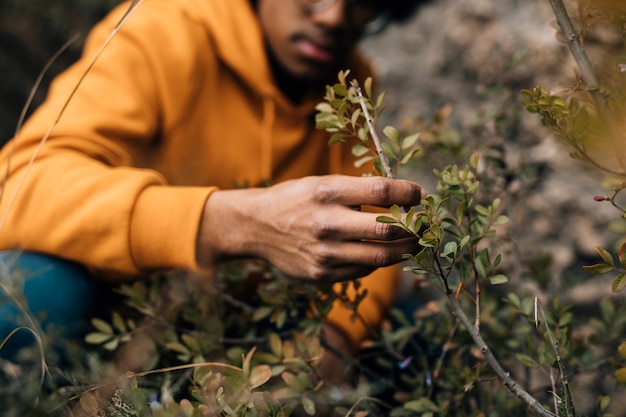
- Safe Bets (If You Know Them): Some plants are generally safe and easy to identify. Dandelions are everywhere, and the entire plant is edible. The inner stalk of a cattail is also a reliable food source.
- What to Avoid: As a general rule, avoid any plants with white berries, mushrooms, or a milky sap. These are often signs of poison.
Part 2: Hunting and Trapping
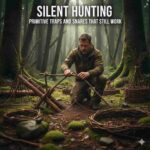
Hunting requires a lot of energy and skill, but trapping is a more efficient tactical method for getting meat.
- Snares: A simple wire or rope snare set along an animal trail can be an effective way to catch small game like rabbits or squirrels. The key is to find a well-used animal path and set your trap with care. It’s a game of patience and observation.
- The Principle: Set and forget. You set the trap and move on, conserving your energy for other tasks. A trap works for you while you’re focused on building a shelter or finding water.
Part 3: Fishing and Insects
These are often overlooked but can be the easiest ways to get a high-protein meal.
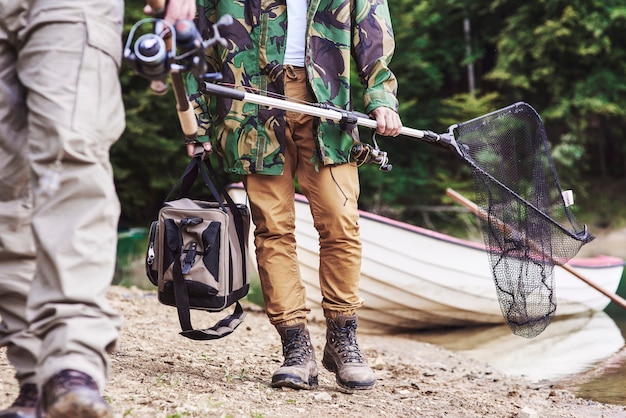
- Fishing: A simple fishing pole can be improvised from a branch, a shoelace, and a bent pin or paperclip for a hook. Look for calm pools of water in a stream. You can also make a simple spear by sharpening a straight stick and looking for fish in shallow water.
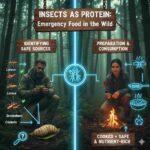
- Insects: They’re a reliable and abundant protein source. Avoid brightly colored insects, hairy ones, and those with a strong odor. Grasshoppers, crickets, and ants are generally safe to eat after being cooked. Roasting or boiling them also adds a tactical benefit by killing any parasites or bacteria.
The Bottom Line: Food is a tactical mission that requires smart decisions. By knowing what to look for and, more importantly, what to avoid, you can find the energy you need to get home safely. Right on, bro. We’ve talked about a lot of survival skills. Now let’s get into the last, but still important, one from the Rule of 3s: food.
While you can go for weeks without eating, a lack of food will sap your energy and morale, making it harder to stay focused and tactical. Getting food isn’t just about satisfying hunger; it’s about maintaining the physical and mental strength you need to survive.