

The world can be an unpredictable place. While situational awareness and de-escalation are your first and best lines of defense, there may come a time when you need a physical tool to protect yourself. Choosing a self-defense tool is a deeply personal decision that depends on your comfort level, training, local laws, and the specific threats you might face. It’s not about finding a magic bullet; it’s about choosing a reliable option and, most importantly, learning how to use it effectively.
Here’s a breakdown of common self-defense tools and the key considerations for each.
1. Pepper Spray (OC Spray)
This is often the go-to for many people due to its ease of use, non-lethal nature, and legality in most places.
- Pros: It creates distance between you and an attacker, temporarily incapacitating them by causing intense pain in the eyes and respiratory system. It’s effective, affordable, and easy to carry on a keychain or in a pocket.
- Cons: It can be affected by wind, potentially blowing back into your face. Its effectiveness can vary depending on the attacker’s tolerance or if they are under the influence of drugs or alcohol. You need to practice with an inert training canister to understand its range and how to deploy it quickly.
- Best For: Individuals who want a non-lethal, stand-off tool that provides an opportunity to escape.
2. Tactical Pens and Kubotans
These are discreet, non-lethal tools that can be used for pressure point strikes or to amplify the force of a punch.
- Pros: They are discreet and can be carried anywhere, even on an airplane. They are solid, durable, and can be used for a variety of tasks beyond self-defense (e.g., breaking a car window in an emergency).
- Cons: They are an impact tool, meaning you have to be in close proximity to the attacker to use them. They require some basic training to be used effectively, specifically targeting soft tissues or pressure points.
- Best For: Those who want a low-profile, multi-purpose tool and are comfortable with close-quarters engagement.
3. Flashlights
A high-lumen tactical flashlight is an often-underestimated self-defense tool.
- Pros: It’s non-lethal, legal everywhere, and has everyday utility. A bright, focused beam can be used to temporarily blind and disorient a potential attacker, giving you precious seconds to escape. The solid body of the flashlight can also be used as an impact tool.
- Cons: While a fantastic deterrent, it’s not a tool that can physically stop a determined attacker on its own. It’s best used in conjunction with a verbal command and an escape plan.
- Best For: Everyone. This is a must-have for personal safety, as it’s useful in countless scenarios, both benign and threatening.
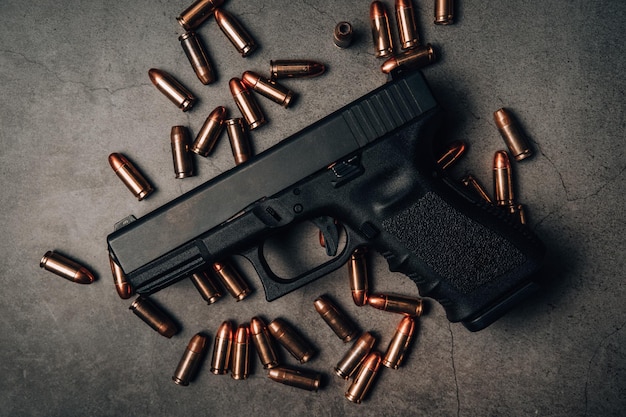
4. Firearms
A firearm is the most effective tool for self-defense, but it comes with the highest level of responsibility and risk.
- Pros: It provides the greatest ability to stop an immediate and deadly threat from a distance.
- Cons: The legal, ethical, and safety considerations are immense. Owning a firearm requires significant training, a deep understanding of the law, and a commitment to safe storage. In a high-stress situation, an untrained individual can be more of a danger to themselves or others. You must also be prepared for the legal and psychological consequences of using a firearm.
- Best For: Individuals who are willing to commit to extensive training, responsible ownership, and a clear understanding of when and how to use it legally and ethically.
The Golden Rule: Training Trumps Tool
No matter which tool you choose, remember that the tool is only as effective as the person using it. A high-end tool in untrained hands can be taken and used against you.
- Practice, Practice, Practice: If you choose pepper spray, get a training canister and practice deploying it quickly. If you carry a tactical pen, learn the basic strikes and pressure points. If you choose a firearm, get professional instruction and train regularly.
- Mindset is Key: The best self-defense tool is a calm, aware, and prepared mind. Your goal is to avoid conflict whenever possible. A self-defense tool is your last resort, used only to create an opportunity to escape to safety.
Choose your tool wisely, but invest even more wisely in your training. Your safety is worth it.