
When every second counts, visibility can mean the difference between life and death. In the chaos of a rescue mission—whether deep in the wilderness, across flood zones, or amid disaster debris—thermal imaging technology has become one of the most powerful tools rescuers can carry.
What Is Thermal Imaging?
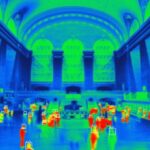
Thermal imaging detects heat signatures emitted by people, animals, or objects. Unlike traditional night vision, which amplifies ambient light, thermal cameras create a visual map of temperature differences—even in total darkness, heavy smoke, fog, or dense foliage.
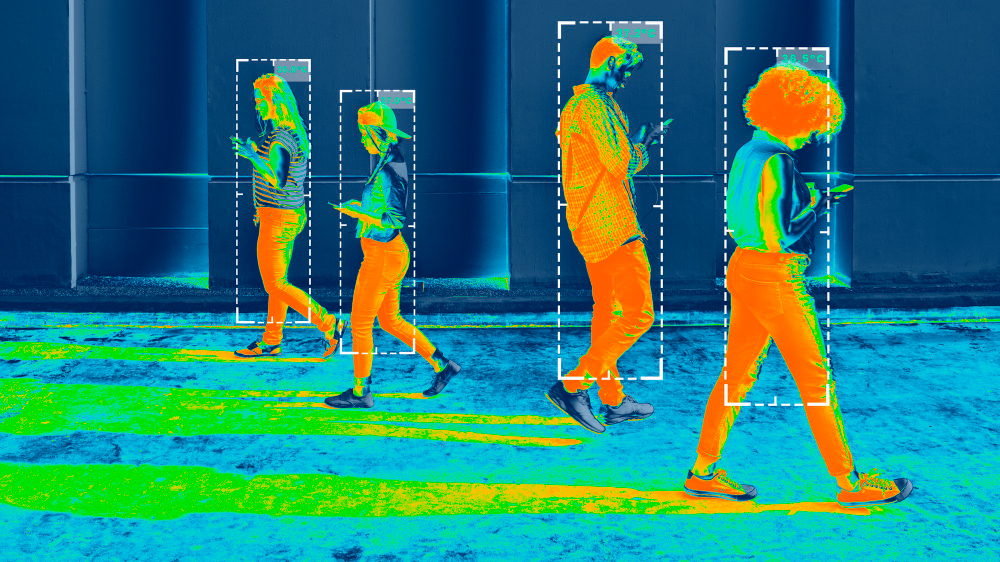
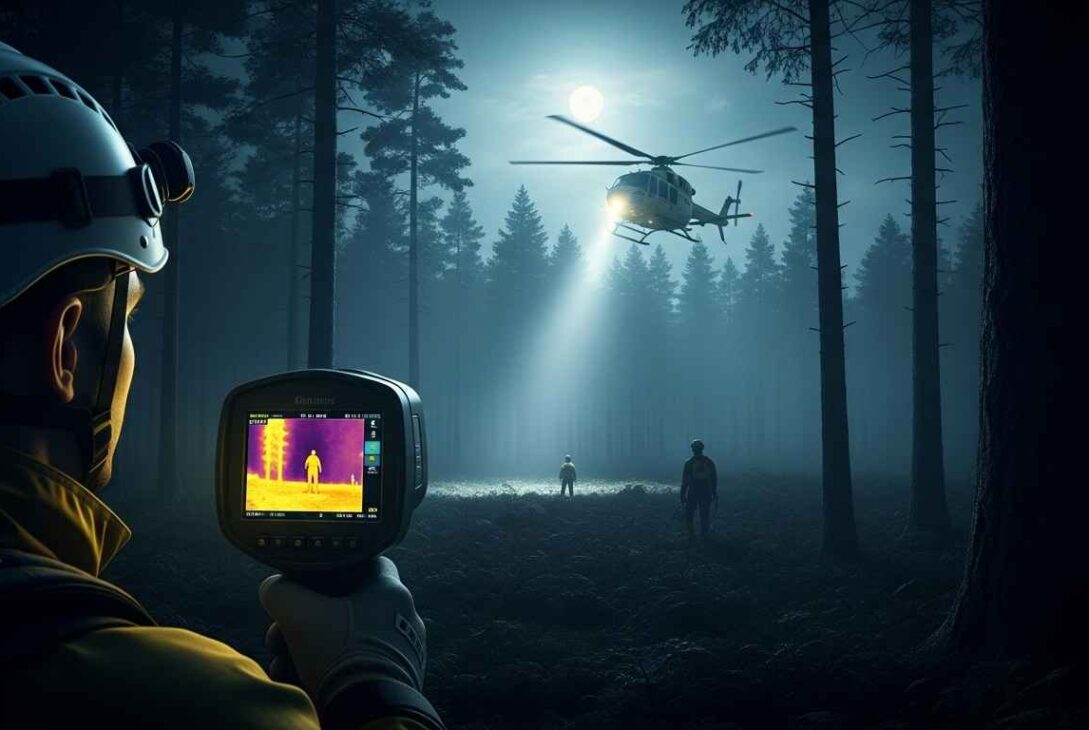
That means rescuers don’t have to rely on daylight or flashlights. A missing person’s body heat can cut through visual barriers, allowing responders to spot them from hundreds of feet away.
How It’s Revolutionizing Search and Rescue
1. Locating Victims in Harsh Conditions
From avalanche zones to wildfire aftermaths, visibility is often the first obstacle. Thermal drones and handheld imagers allow teams to quickly sweep large areas, identifying heat patterns that stand out against cold backgrounds—like a stranded hiker or an injured worker trapped under debris.
2. Aerial Support That Saves Time
Drones equipped with thermal cameras can cover terrain that would take hours to search on foot. They transmit real-time imagery to command centers, helping rescuers plan safer, faster approaches and reduce exposure to danger.
3. Water and Disaster Operations
Even in flood rescues or maritime emergencies, thermal imaging proves invaluable. Warm bodies in cool water create visible contrasts, giving responders a crucial edge during nighttime or low-visibility operations.
4. Urban and Structural Search
In collapsed buildings or fire zones, thermal imaging helps locate survivors hidden behind walls or rubble. Firefighters can also track hotspots, identify safe routes, and prevent re-ignition by spotting lingering heat pockets.
Tools of the Trade
Modern thermal devices come in a range of forms:
- Handheld cameras — portable and durable, used for ground searches.
- Helmet-mounted imagers — for hands-free operations in confined spaces.
- Drone-mounted systems — ideal for aerial scanning in remote or dangerous environments.
Today’s compact, rugged designs make these tools standard issue in tactical and rescue gear worldwide.
Beyond Rescue: Training and Readiness
Thermal imaging isn’t only for emergencies—it’s a powerful training tool. Teams use it to:
- Simulate night rescues and low-visibility conditions
- Study heat loss in shelters or clothing
- Improve coordination and target recognition under stress
Preparedness is about foresight, and thermal tech gives teams that critical advantage.
The Bottom Line
In the world of search and rescue, thermal imaging bridges the gap between uncertainty and success. It empowers operators to see what the human eye cannot—saving time, resources, and most importantly, lives.
As technology continues to advance, expect to see smaller, smarter, and more affordable thermal systems integrated into every serious response unit’s toolkit.