

When disaster strikes, access to clean water often becomes the biggest survival challenge. Floods, power outages, or supply chain breakdowns can cut off regular water sources. That’s why learning rainwater harvesting is one of the smartest survival skills you can master.
Rain is a free and renewable resource, and with the right techniques, it can provide safe drinking water in emergencies. Let’s break down how to collect, purify, and store rainwater for survival situations.
Why Rainwater Harvesting Matters in Survival 🌧️
- Unlimited resource → As long as it rains, you have water.
- Independence → No reliance on municipal water systems.
- Emergency-ready → Provides backup during grid failures, droughts, or disasters.
- Multi-purpose use → Drinking, cooking, hygiene, and even gardening.
1. Basic Rainwater Collection Methods
✅ Tarp or Plastic Sheet Method
- Stretch a tarp or plastic sheet at an angle.
- Let water funnel into a clean container.
- Works best in temporary camps.
✅ Roof Catchment System
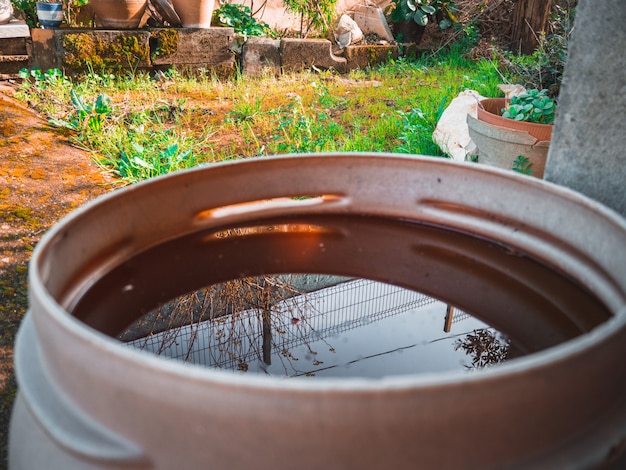
- Place gutters on rooftops to channel water into barrels.
- Simple to set up for long-term storage at home.
✅ Direct Container Collection
- Buckets, barrels, or even cooking pots placed outside during rainfall.
- Easiest method if no setup is available.
2. Safe Storage of Rainwater
- Use food-grade containers (plastic or stainless steel).
- Keep containers covered to prevent contamination.
- Store in a cool, shaded place to avoid algae growth.
👉 Pro tip: Label water containers with collection dates and rotate supplies every 6–12 months.
3. Purifying Rainwater for Drinking
Rainwater can contain dirt, bacteria, or chemicals. Always purify before drinking:
- Boiling → The simplest and most effective method.
- Water Filters → Portable filters like LifeStraw or Sawyer Mini remove bacteria and parasites.
- Chemical Tablets → Iodine or chlorine tablets disinfect water in minutes.
- Solar Disinfection (SODIS) → Fill clear bottles with water and leave under direct sunlight for 6+ hours.
4. Rainwater Harvesting Survival Tips
- First rainfall often carries dust and debris → discard the first 10–15 minutes of water collection.
- Use multiple storage containers to prevent contamination of your entire supply.
- If possible, pre-filter rainwater through cloth to remove larger particles before purification.
- Build a habit of practicing rainwater collection even before an emergency hits.
Final Thoughts
In a survival situation, water is life. Learning how to harvest and purify rainwater ensures you and your family have a reliable supply when other sources run dry.
Rainwater harvesting is simple, low-cost, and effective—and it might just be the skill that keeps you alive in a crisis.