

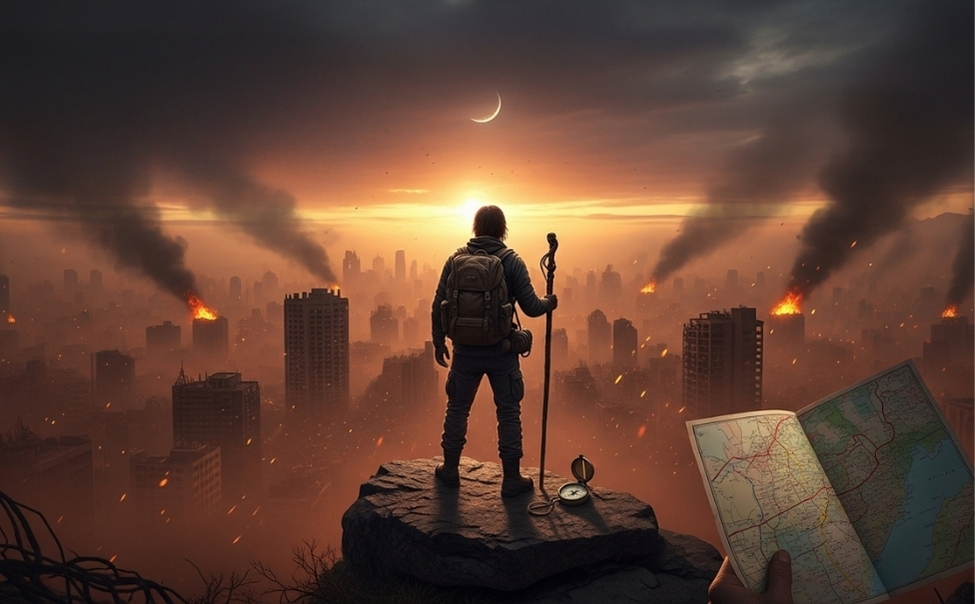
When the world feels like it’s teetering on the edge—political unrest, economic uncertainty, natural disasters—many wonder: What would I do if everything collapsed tomorrow? That chilling question sits at the heart of “Escaping Anarchy”, a book that isn’t just another survival manual, but a gripping narrative about resilience, preparation, and the will to carve order out of chaos.
This isn’t a book you skim once and forget. It’s a guide that forces you to confront uncomfortable truths, rethink your dependence on fragile systems, and imagine how you’d endure if society suddenly unraveled.
Why Stories of Collapse Fascinate Us
Humans have always been captivated by tales of survival. From ancient myths to modern post-apocalyptic thrillers, chaos forces characters to reveal their rawest instincts. Escaping Anarchy taps into that fascination, but with a twist: it’s not just entertainment. It’s a wake-up call.
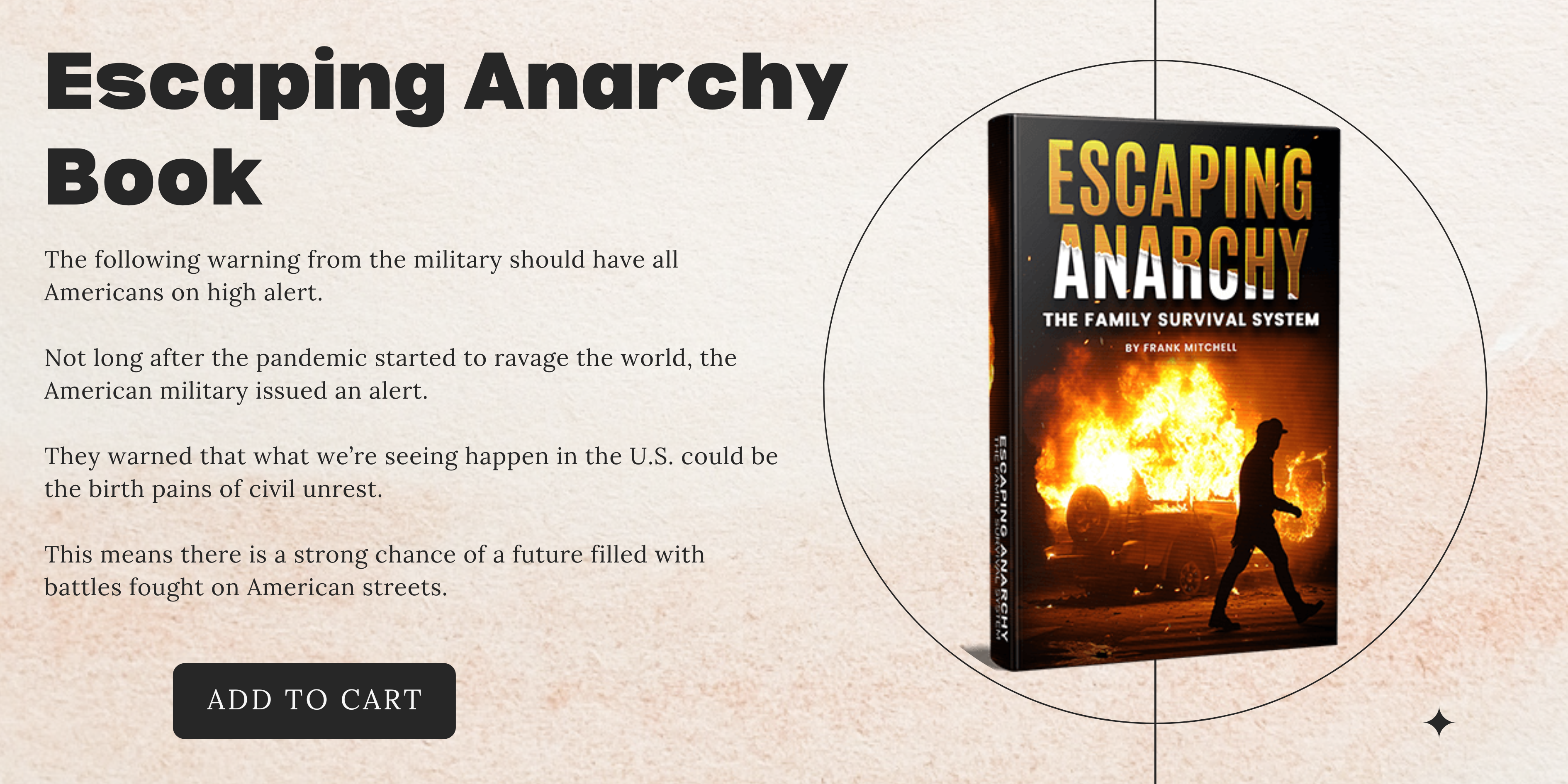
The book reminds us that order is fragile. Grocery shelves empty faster than you think, electricity grids falter with one major hit, and civil order can crumble in days—not months. Reading it feels less like a distant fantasy and more like peering into tomorrow’s headlines.
From Fiction to Reality: Lessons Hidden in the Pages
What makes Escaping Anarchy stand out is its blend of storytelling and strategy. While readers are pulled into gripping scenarios of survival, each chapter quietly teaches timeless lessons:
- Self-reliance isn’t optional. In times of anarchy, waiting for rescue could be a death sentence.
- Community matters more than stockpiles. The strongest survivor is often the one who can build trust, forge alliances, and lead others through uncertainty.
- Preparedness begins before disaster. Once chaos strikes, it’s too late to start learning how to grow food, secure shelter, or defend your family.
The beauty is in the balance: you’re entertained by the drama, yet by the end, you’ve absorbed a survival blueprint without even realizing it.
The Silent Dangers We Ignore Every Day
One of the most haunting aspects of the book is how it highlights threats we overlook in our daily routines. We assume:
- Water will flow when we turn the tap.
- Wi-Fi will connect us to the world.
- Police will respond if danger comes knocking.
But what if all of that vanished overnight? Escaping Anarchy forces us to sit with that discomfort and recognize that fragility is reality.
Interestingly, psychologists say that even imagining disaster scenarios increases resilience. By reading survival stories, our brains begin rehearsing possible outcomes. In that way, Escaping Anarchy acts as both entertainment and mental training.
Building Your Own Escape Plan
After closing the book, most readers have one thought: What would I do?
That’s the genius of Escaping Anarchy—it doesn’t hand you a cookie-cutter plan. Instead, it sparks the realization that you need one of your own. Here are a few actionable takeaways inspired by the book:
- Audit your basics. Do you have access to clean water, non-perishable food, and first aid if stores shut down?
- Map your safe zones. Where would you go if your city became unsafe within 24 hours?
- Learn one new survival skill. From fire-starting to growing vegetables in small spaces, every skill compounds your resilience.
- Build connections. Survival is rarely a solo act—trustworthy allies can be your greatest asset.
These steps don’t require paranoia. They’re about empowerment—removing the fear of the unknown by preparing in small but meaningful ways.
Why Escaping Anarchy Matters Today
The timing of Escaping Anarchy couldn’t be more urgent. Across the globe, we’ve seen glimpses of systemic cracks—natural disasters displacing millions, supply chain breakdowns leaving shelves bare, and digital attacks shutting down essential services.
This isn’t about fearmongering. It’s about responsibility. Reading Escaping Anarchy is like looking into a mirror that shows not just who you are today, but who you need to become if tomorrow goes dark.
Final Thoughts: Will You Be Ready?
At its core, Escaping Anarchy is more than a book—it’s a challenge. It dares readers to imagine a life stripped of convenience and asks: Would you endure, or would you break?
The stories ignite your imagination, the lessons arm you with foresight, and the reflections leave you with one undeniable truth: chaos doesn’t wait for permission.
If you read only for entertainment, you’ll be hooked. If you read for survival, you’ll walk away stronger, wiser, and more prepared than most of the world.
👉 Action Tip: Don’t just read the book—let it inspire your own escape plan. Start with one simple step this week, whether it’s stocking emergency essentials, learning a practical skill, or simply having a conversation with your family about preparedness. Because when anarchy comes knocking, the best time to prepare is yesterday.