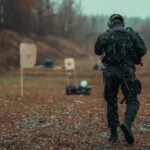

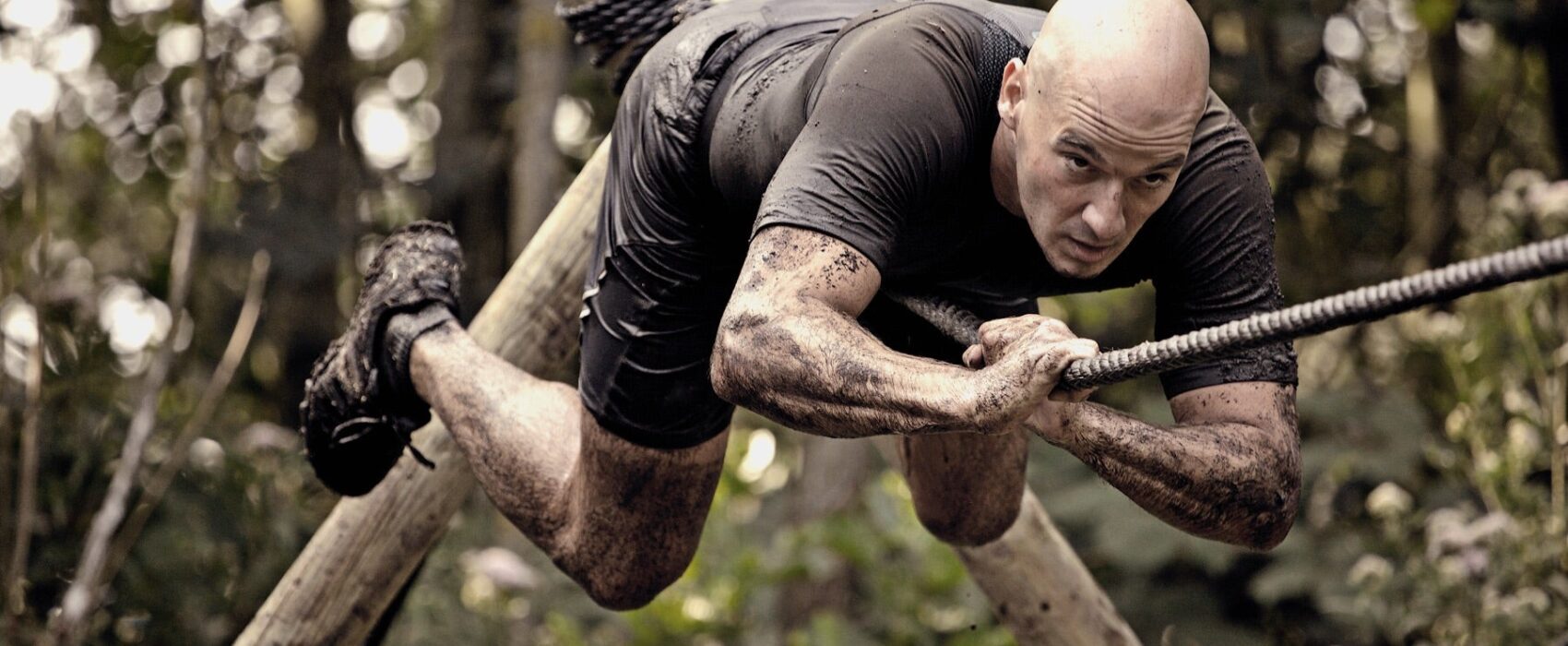
Tactical training isn’t just for the military; it’s a valuable skill set that benefits civilians in various professional and personal contexts. While often associated with combat readiness and high-stakes military operations, the core principles of tactical training—such as situational awareness, risk assessment, and effective decision-making under pressure—are universally applicable.
What is Tactical Training?
At its heart, tactical training is about more than just physical prowess or weapons handling. It’s a comprehensive approach to problem-solving in dynamic and unpredictable environments. It teaches individuals to analyze a situation, identify potential threats, and execute a well-thought-out plan to mitigate risk and achieve an objective. Key components include:
- Situational Awareness: The ability to perceive and understand one’s surroundings, anticipating potential issues before they arise. This can range from noticing a suspicious person in a crowd to identifying a potential hazard at a construction site.
- Risk Assessment: The process of evaluating the potential for harm or loss. This involves weighing the pros and cons of different courses of action and choosing the one that minimizes danger.
- Stress Management: The capacity to perform effectively even when under extreme psychological or physical duress. This is crucial for making sound decisions when seconds count.
- Teamwork and Communication: The ability to coordinate with others seamlessly and communicate clearly and concisely, especially in chaotic situations.
Tactical Skills in the Professional World
Many professions outside the military rely heavily on tactical skills. Law enforcement officers, for example, use tactical training to de-escalate volatile situations, apprehend suspects safely, and respond to emergencies like active shooter incidents. Similarly, first responders, including paramedics and firefighters, apply tactical principles to quickly assess and manage emergencies, whether it’s navigating a collapsed building or providing medical aid in a chaotic environment.
Even in less obvious fields, tactical training is invaluable. Security professionals for corporations and events use these skills to protect assets and people. Pilots and air traffic controllers rely on tactical decision-making to navigate complex flight paths and respond to emergencies. Even surgeons in an operating room use a form of tactical thinking to anticipate complications and react swiftly to unexpected medical issues.
Tactical Skills for Everyday Life
The principles of tactical training can also be applied to everyday life, making us more prepared and resilient. Learning to be more situationally aware can help you avoid becoming a victim of a crime, whether it’s being alert to your surroundings while walking at night or noticing a scam attempt online. The ability to assess risk can help you make better personal decisions, from choosing a safer route for a road trip to evaluating a financial investment.
Furthermore, managing stress and making quick decisions under pressure are skills that can benefit anyone. Whether it’s dealing with a car accident, a medical emergency at home, or a natural disaster, having a plan and the ability to execute it calmly can make a huge difference.
In conclusion, tactical training is a versatile and empowering skill set that transcends its military origins. By embracing its core principles, civilians can become more prepared, confident, and capable in both their professional lives and their personal safety. It’s not about preparing for war; it’s about preparing for the unpredictable challenges of life. 🛡️