Improvisation is a mindset. It’s about seeing a problem and finding a creative solution using the resources available. When you have no store, no Amazon, and no help, your environment is your hardware store.
1. The Survival Knife (Your Foundation)
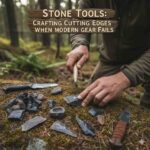
A good knife is your most valuable tool. It’s the one thing that can help you create everything else. If you have a knife or a multi-tool, you are miles ahead. If not, you need to improvise a cutting tool.
- Tactic: Look for a sharp piece of flint, obsidian, or broken glass. You can also use a sharp piece of rock. It won’t be as good as a knife, but it’s a tactical necessity for cutting wood, food, and other materials.
2. Cordage (Your Tactical Rope)
Cordage—or rope—is one of the most useful things you can make. It’s essential for building a shelter, making traps, and crafting other tools.
- Tactic: Look for strong, fibrous plants like the inner bark of a basswood tree, nettles, or even the tough inner fibers of a yucca plant. Twist the fibers together in opposite directions to create a strong, durable rope.
3. The Digging Stick (Your Simple Shovel)
A simple stick can be a powerful tool.
- Tactic: Sharpen a strong stick to a point and use it to dig for water in a dry riverbed, forage for edible roots, or even create a fire pit. This is a simple but effective tool that conserves your energy and saves your hands.
4. Improvised Containers
Carrying water and food is critical, but what if you don’t have a bottle or a pot?
- Tactic: A large, sturdy leaf can be folded into a cup. A large piece of bark from a tree can be used as a plate or a carrying tray. You can also hollow out a piece of soft wood or a gourd to create a makeshift bowl.
5. Fire Plow (Your Backup Plan)
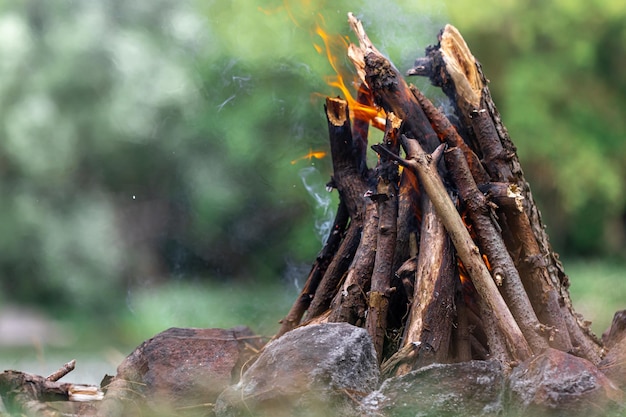
If your primary fire-starting method fails, you can improvise a fire plow using two pieces of wood.
- Tactic: Use your improvised knife to carve a groove in a long, flat piece of wood. Then, take a second, harder piece of wood and rub it vigorously up and down the groove. The friction will create fine sawdust, and with a little effort, a glowing ember.
The Bottom Line: A survivor isn’t someone with the most gear; it’s someone with the best tactical mindset. By seeing your environment as a resource and your ingenuity as a tool, you can create what you need to survive.