
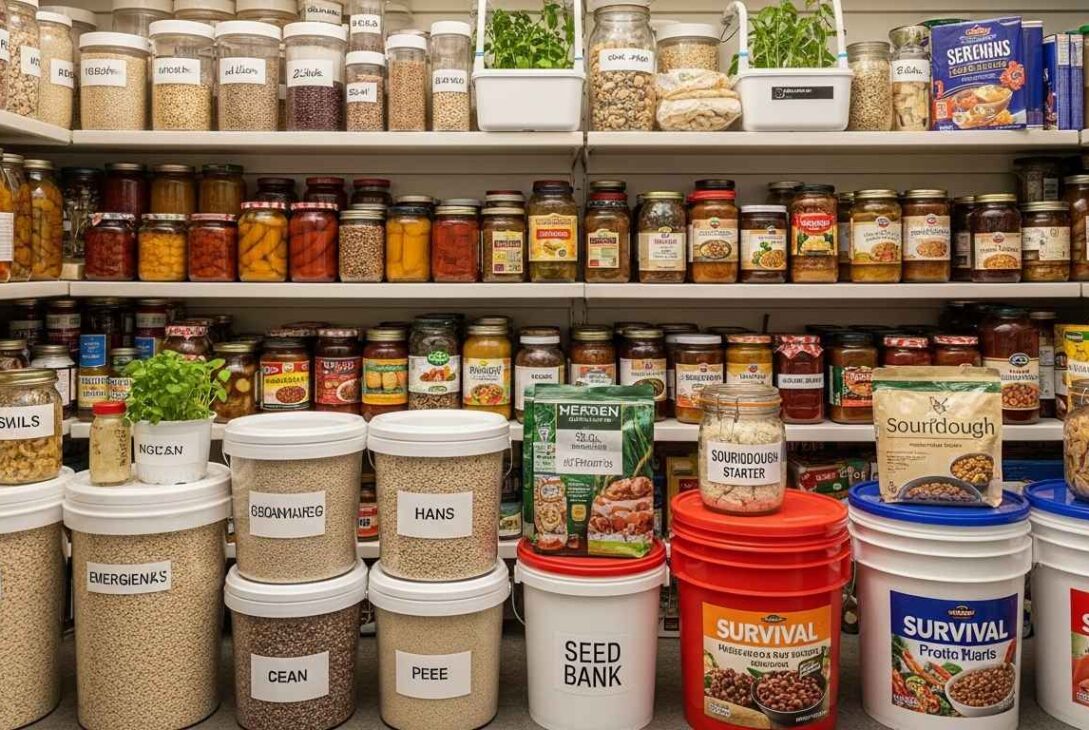
When crisis strikes—whether it’s economic uncertainty, natural disasters, or grid-down situations—food security quickly becomes the number one priority. Preppers know that relying on supermarket shelves isn’t an option. That’s why, in 2025, the survival community is leaning into smarter, more creative food security hacks that go beyond traditional stockpiling.
These strategies don’t just keep your pantry full—they make sure you can sustain yourself and your family in any long-term emergency. Let’s break down the hacks making waves this year.
1. Micro-Gardening in Small Spaces
You don’t need acres of farmland to grow food. Preppers are turning balconies, rooftops, and even spare bedrooms into high-yield micro-gardens. Using vertical planters, hydroponic systems, and LED grow lights, they’re producing greens, herbs, and vegetables all year round.
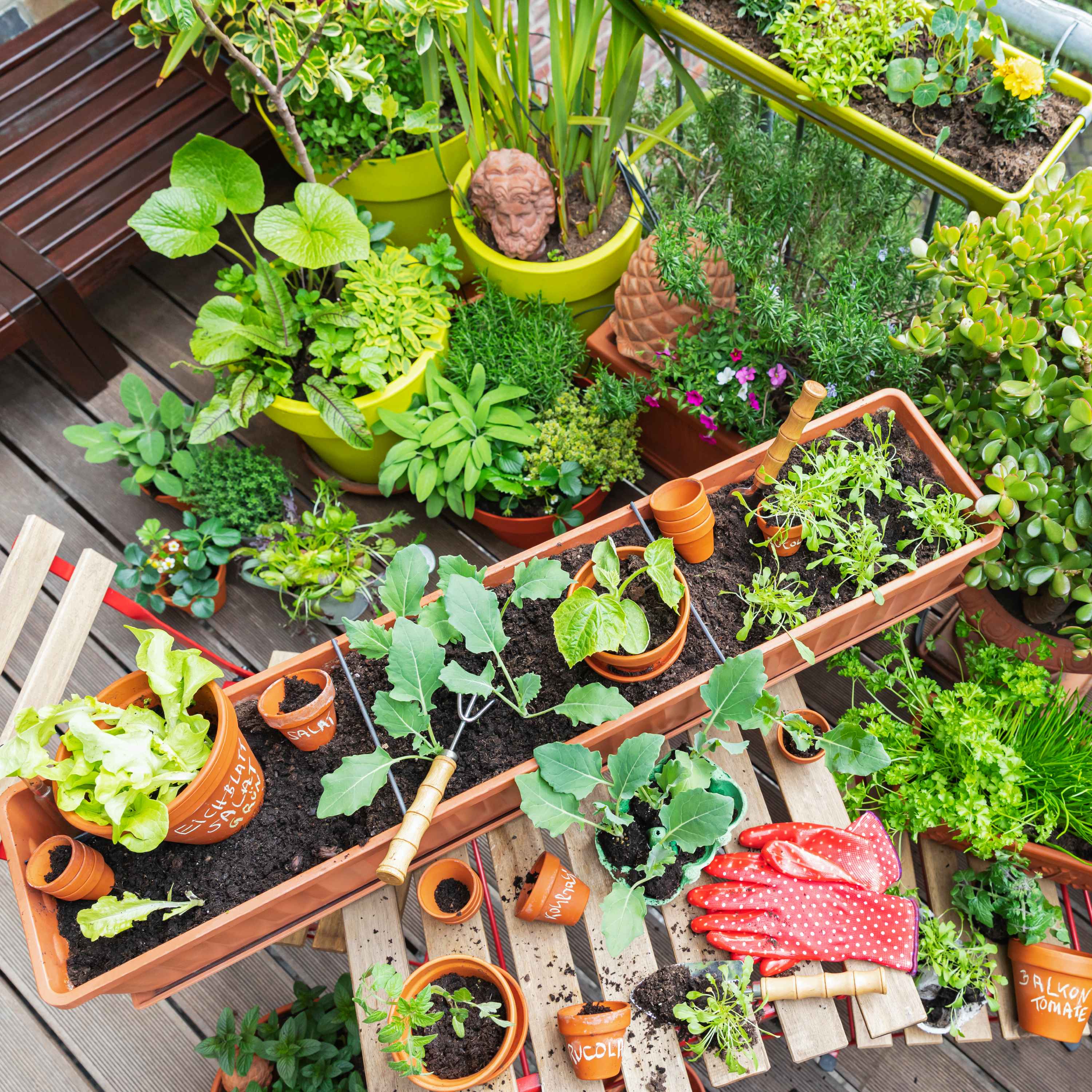
👉 Pro tip: Focus on fast-growing, nutrient-rich plants like spinach, kale, radishes, and microgreens. They’re low-maintenance and provide huge nutrition returns for minimal space.
2. DIY Long-Term Food Preservation
Forget relying only on store-bought freeze-dried meals. Preppers are mastering DIY preservation methods like:
- Dehydration with solar dehydrators for fruit, jerky, and veggies.
- Canning to lock in shelf life for soups, beans, and sauces.
- Vacuum sealing bulk dry goods like rice and pasta with oxygen absorbers.
Not only is this cheaper, but it puts control back in your hands—you decide what goes in your food supply.
3. Seed Banking for Future Harvests
A big shift this year is the growing focus on heirloom seed banking. Unlike hybrid seeds, heirloom varieties can be replanted year after year. Preppers are storing seeds in airtight, moisture-proof containers to ensure they always have a renewable food source, no matter what.
👉 Hack: Keep your seed bank in a cool, dark place, like a basement or fridge, to extend viability.
4. Community Barter Networks
Survival isn’t just about going solo. Preppers are creating local food barter systems, trading extra eggs, honey, or preserved goods with neighbors. This strengthens resilience while ensuring a diverse diet without needing to grow everything yourself.
With rising food prices, barter networks are becoming both a survival strategy and an economic necessity.
5. Hidden Food Caches
Food theft during crises is real. That’s why some preppers are burying or disguising food caches around their property or bug-out locations. Buckets sealed with Mylar bags, oxygen absorbers, and waterproofing can stay buried for years, ready for emergencies.
It’s a classic strategy with a modern twist—digital maps and coded notes help families remember cache locations securely.
6. Solar-Powered Food Systems
Energy and food go hand in hand. More preppers are investing in solar dehydrators, solar ovens, and solar-powered freezers to keep food safe even if the grid goes down. With solar setups becoming more affordable, this hack is quickly moving from luxury to necessity.
7. Wild Foraging Knowledge
Even in cities, preppers are sharpening their foraging skills—learning to identify wild greens, nuts, mushrooms, and edible weeds that thrive locally. In 2025, there’s a surge in using plant ID apps combined with traditional field guides, making safe foraging easier than ever.
👉 Quick example: Dandelion leaves (often treated as weeds) are loaded with vitamins A, C, and K.
8. Fermentation for Gut Health and Preservation
Preppers aren’t just storing calories—they’re thinking about long-term health. Fermentation is back in style, from sauerkraut to kombucha. Fermented foods extend shelf life, require no refrigeration, and support gut health, which is critical when medical care may not be available.
The Bottom Line
Food security isn’t just about stockpiling cans anymore. In 2025, preppers are thinking long-term, combining renewable food production, smart preservation, hidden storage, and community networks to stay resilient.
The best part? Many of these hacks don’t require huge investments—just a shift in mindset and some practical know-how.
Because when supply chains falter and shelves go empty, the prepper who’s ready isn’t just surviving—they’re thriving.