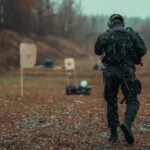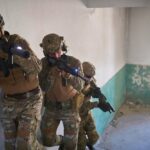

When it comes to tactical safety, a helmet is more than just headgear—it’s a lifesaving shield. In high-risk situations such as combat, law enforcement missions, or survival scenarios, a ballistic helmet can protect you from bullets, shrapnel, and blunt force trauma. Understanding how they work, the types available, and how to choose the right one can make all the difference in a critical situation.
🛡 What Is a Ballistic Helmet?
A ballistic helmet is a type of tactical headgear designed to protect against:
- Bullets (depending on the protection level)
- Shrapnel and fragmentation
- Blunt force impact
- Debris in combat or survival environments
Made from Kevlar, aramid fibers, or advanced composites, these helmets are lightweight but incredibly strong.
📊 Levels of Protection
Ballistic helmets are rated based on their ability to stop projectiles. The NIJ (National Institute of Justice) sets the standards.
- Level IIA / II: Protects against smaller caliber handguns.
- Level IIIA: Stops most handgun rounds (up to .44 Magnum).
- Level III & IV (rare in helmets): Rifle-rated protection, usually found in body armor plates.
👉 Most tactical helmets are Level IIIA, striking the balance between protection and weight.
⚙️ Types of Ballistic Helmets
1. PASGT (Personnel Armor System for Ground Troops)
- Old-school military design.
- Full coverage, heavier than modern models.
- Reliable for fragmentation and handgun rounds.
2. MICH / ACH (Modular Integrated Communications Helmet / Advanced Combat Helmet)
- Lighter and more comfortable.
- Compatible with night vision devices and comms gear.
- Popular among U.S. military and police forces.
3. High-Cut / FAST (Future Assault Shell Technology) Helmets
- Lightweight, high-cut around the ears.
- Allows attachment of headsets, NVGs, cameras, and lights.
- Favored by special forces and tactical operators.
🔧 Key Features to Look For
When choosing a ballistic helmet, consider:
- Weight: Lighter helmets = better mobility.
- Fit & Comfort: Adjustable suspension and padding system.
- Accessory Compatibility: NVG mounts, rails, and comms gear.
- Ventilation: Breathability during long missions.
- Durability: Multi-impact resistance, weatherproof coating.
🛠 Tactical Uses of Ballistic Helmets
- Military & Law Enforcement: Protection in combat or riot control.
- Survivalists & Preppers: Added safety during civil unrest or emergencies.
- Search & Rescue Teams: Shielding against falling debris.
- Airsoft / Training: Non-ballistic versions for safe simulation.
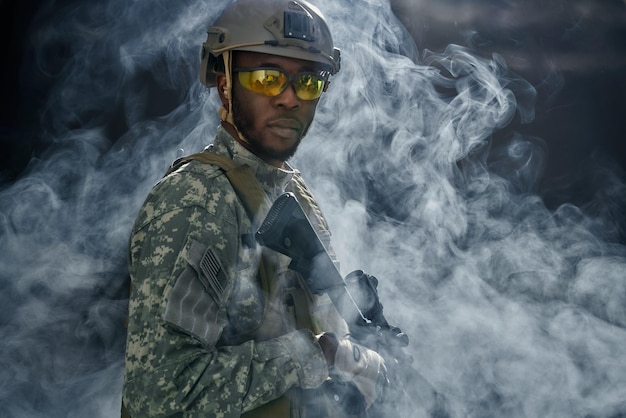
✅ Final Thoughts
Ballistic helmets aren’t just military gear—they’re essential protection in critical situations. Whether you’re a soldier, law enforcement officer, survivalist, or just someone serious about preparedness, investing in the right helmet could save your life.
Remember: choose one that balances protection, comfort, and compatibility with your tactical setup. In survival, protecting your head means protecting your ability to think, fight, and survive.