

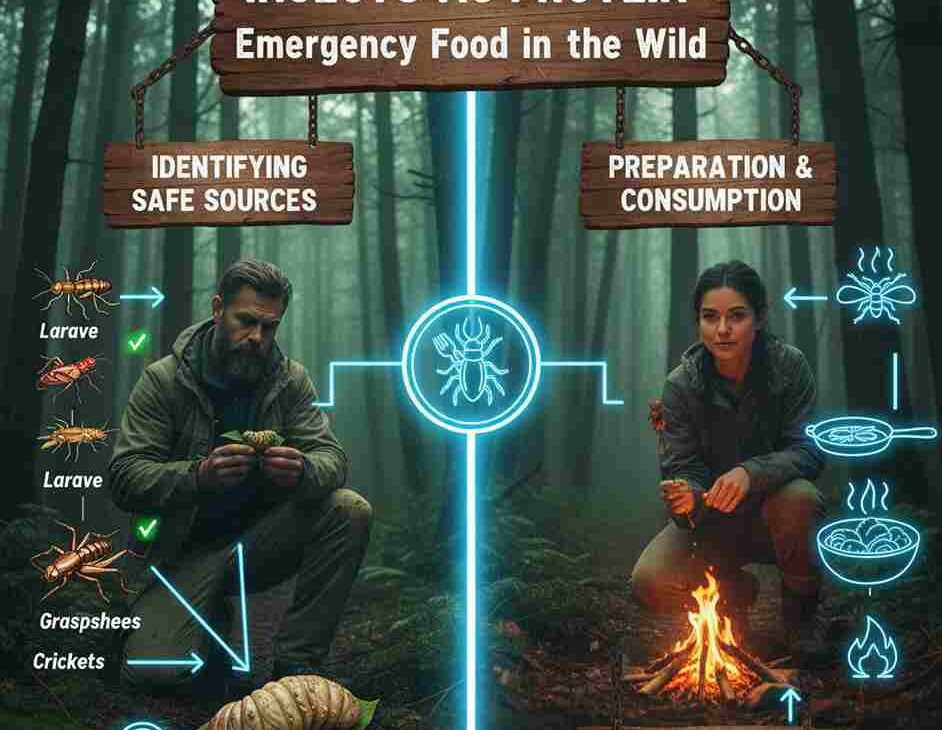
In a survival scenario, finding a reliable and efficient source of protein is non-negotiable. While the thought might make some people queasy, insects—or entomophagy—are nature’s perfect protein bar. They are globally consumed, abundant, and packed with the essential nutrients needed to keep you going.
Here’s why insects are a superior emergency food and how to safely use them as a vital protein source.
💪 Why Insects Are a Survival Superfood
Insects are not just a last resort; they are a highly efficient, nutrient-dense option that often surpasses traditional meat.
- Protein Powerhouse: Many insects, such as grasshoppers, crickets, and mealworms, contain comparable (or even higher) levels of protein by dry weight than beef or fish.
- Nutrient Density: They are loaded with essential fats, fiber, vitamins (especially B vitamins), and critical minerals like iron, zinc, and calcium.
- Abundance and Accessibility: They are everywhere! Unlike large game, insects are easy to find and catch, requiring minimal energy expenditure, which is vital in a survival situation.
- Sustainability: They require far less water, land, and feed than livestock, making them a naturally sustainable emergency resource.
🔎 Safe Identification and Collection
The single most important rule of entomophagy is “When in doubt, leave it out.” While most insects are harmless, caution is essential.
- Avoid Bright Colors: Insects with bright, vivid warning colors (red, orange, yellow, or multiple contrasting colors) often signal toxicity or a bad taste.
- Avoid Hair or Spines: Hairy caterpillars or insects with sharp spines can cause irritation, stings, or carry toxins.
- Focus on Safe Bets: The safest and most common choices include:
- Grasshoppers/Locusts: Found in grassy areas. Catch them early in the morning when they are sluggish from the cold.
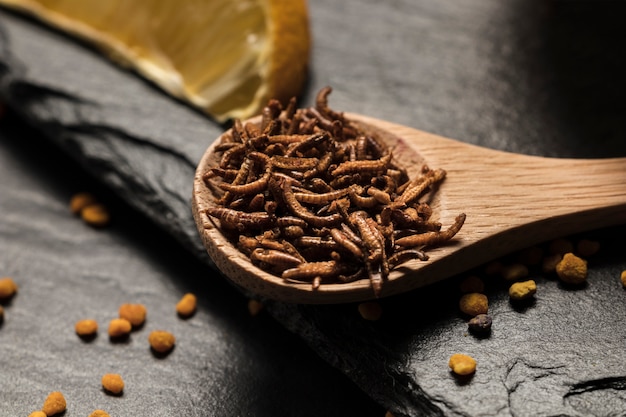
- Ants/Termites: Look for large mounds; the eggs and larvae are often considered a delicacy.
- Grubs/Larvae (e.g., mealworms, beetle larvae): Found under decaying logs, bark, or in soft earth. They are exceptionally high in fat and calories.
- Crickets: Found under rocks and logs.
🔥 Preparation is Key: Cooking for Safety
NEVER eat insects raw in a survival situation. Cooking is crucial for two reasons: it kills potential parasites and bacteria, and it makes the nutrients more digestible.
- Purging (Optional but Recommended): If time allows, keep the insects alive for 24 hours and feed them fresh vegetation. This purges their digestive tracts of any harmful material.
- The “Clean-Out” Method: For hard-shelled insects like grasshoppers, it’s best to remove the head, legs, and wings, as these parts can be sharp and indigestible.
- Cooking Techniques:
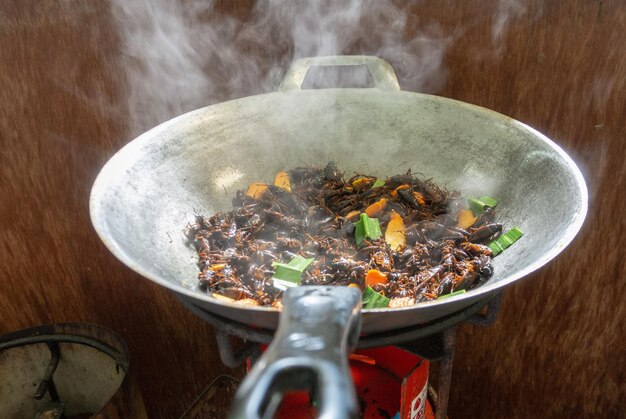
- Roasting/Baking: Place them near the coals or in a piece of makeshift foil over low heat until they are crisp. This is the best way to preserve protein.
- Boiling/Steaming: This is a safe method, particularly for grubs and worms, but some nutrients may leach into the water.
- Sautéing: If you have access to any form of oil or fat, lightly sautéing them improves flavor and texture significantly.
🧠 The Mental Barrier
Overcoming the initial reluctance is often the hardest part. Remember that insects are a vital, calorie-efficient way to ensure survival. Focus on the nutritional benefits and the task at hand rather than the “ick” factor. When properly cooked, many insects have a surprisingly mild, nutty, or savory flavor.
🛑 Emergency Reminder: Always prioritize water and shelter, but remember that a high-quality protein source like insects can be the difference between maintaining strength and falling victim to exhaustion and nutritional deficiency.