

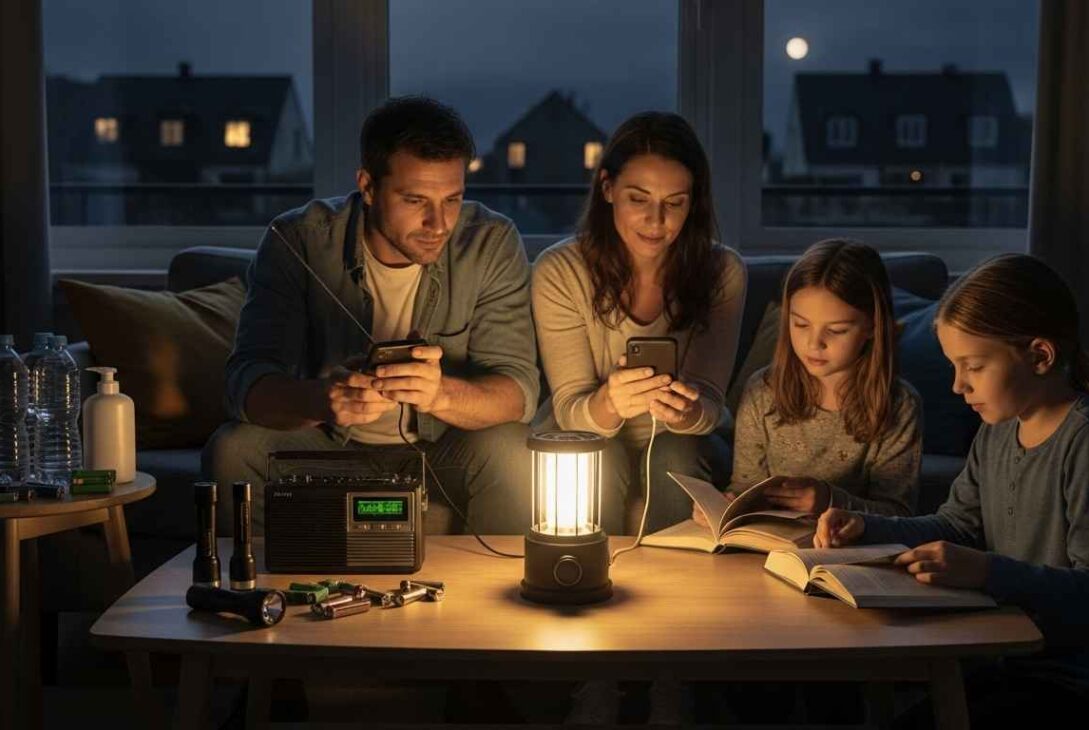
When the lights go out unexpectedly, it’s more than just an inconvenience — it’s a reminder of how much our daily lives depend on electricity. Whether it’s a thunderstorm in the Midwest, a hurricane on the coast, or a grid overload during a summer heatwave, power outages can strike anytime. The key isn’t to panic, but to be prepared.
Here’s how you can keep your essentials running and stay comfortable when the power goes down.
1. Identify What’s Truly Essential
Start by listing what you must keep powered:
- Refrigerator and freezer (to prevent food spoilage)
- Phones and communication devices
- Medical equipment (oxygen machines, CPAP, etc.)
- Lighting and basic fans or heaters (depending on the season)
Knowing your priorities helps you plan backup options effectively.
2. Use Portable Power Stations or Generators
A portable generator or solar power station can be a game-changer.
- Gas-powered generators are reliable for short-term outages, but always use them outdoors to avoid carbon monoxide poisoning.
- Solar generators and battery packs offer silent, clean power — ideal for charging phones, laptops, or small appliances.
Tip: A mid-sized power station with around 1000–1500Wh can keep phones, Wi-Fi routers, and lights running for a day.
3. Harness the Sun
Solar panels aren’t just for eco-enthusiasts anymore. Compact foldable solar panels can recharge power banks or portable batteries during long blackouts. Even a small 100W panel can help you trickle-charge essentials like your phone or flashlight batteries.
4. Light the Way Safely
Candles create ambiance, but they’re a fire risk during outages. Instead, stock up on:
- LED lanterns
- Headlamps
- Rechargeable flashlights
Look for USB-rechargeable models — they’re safer, brighter, and reusable.
5. Keep Food and Medicine Safe
During an outage:
- Avoid opening the fridge or freezer unless necessary — cold air escapes quickly.
- A closed freezer can keep food frozen for up to 48 hours.
- Store medicines that require cooling in insulated coolers with ice packs.
You can also freeze water bottles ahead of time — they’ll help keep items cold longer.
6. Secure Water and Basic Supplies
Power outages sometimes disrupt water systems. Keep a few gallons of bottled water on hand per person (a gallon per day for at least three days).
Have ready-to-eat foods that don’t require cooking — canned goods, granola bars, and peanut butter are your best friends.
7. Stay Connected and Informed
When Wi-Fi and TV go dark, an emergency radio keeps you in the loop. Look for a hand-crank or solar-powered radio with NOAA alerts.
Backup: Keep a paper list of emergency numbers — you won’t be able to rely on cloud contacts if your phone dies.
8. Charge Smart Before the Storm
If you get warning of severe weather:
- Fully charge phones, laptops, and battery banks.
- Unplug sensitive electronics to avoid damage from power surges.
- Fill up your car’s gas tank — you can charge phones there if needed.
9. Consider Long-Term Backup Power
If you live in an outage-prone area, investing in a whole-house backup system like a home battery (Tesla Powerwall, EcoFlow Delta Pro) or a standby generator can keep everything — from your fridge to your lights — running seamlessly.
10. After Power Returns
Once the lights are back on:
- Check your fridge — discard perishable items that were above 40°F for more than two hours.
- Refill your emergency supplies and recharge all your power banks.
- Make note of what worked and what didn’t — preparedness improves with every experience.
Final Thoughts
Power outages remind us how connected — and vulnerable — modern life can be. But with a little foresight, you can turn a blackout from a crisis into a manageable inconvenience.
Prepare today, so the next time the lights go out, you won’t be left in the dark.