

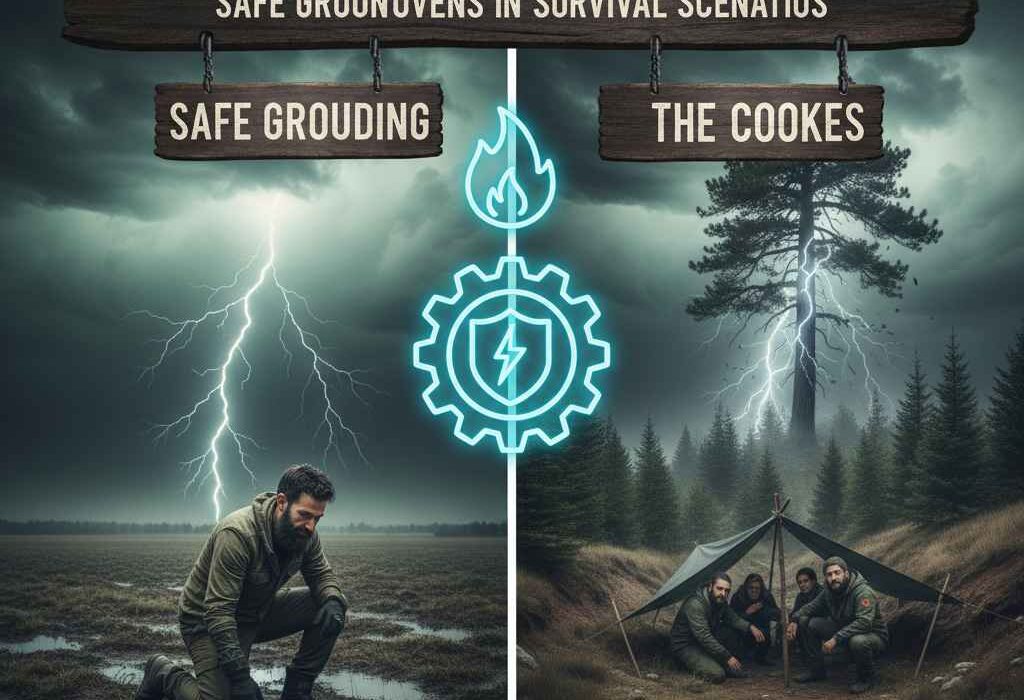
A lightning storm is one of nature’s most powerful and unpredictable displays. It can turn a beautiful day in the outdoors into a life-threatening situation in a matter of seconds. While the old adage “stay out of the storm” is the best advice, sometimes getting caught is unavoidable. In those moments, knowing how to find safe shelter and how to ground yourself properly can be the difference between life and death. This is not about being a hero; it’s about being smart and understanding the science behind the strike.
The Science of the Strike
Lightning seeks the path of least resistance to the ground. It can strike the tallest object in an area, but it can also “side flash” or travel along the ground after a strike. This is why being near a tall tree is just as dangerous as being under it. A direct strike is almost always fatal, but many lightning-related injuries and deaths are caused by these secondary effects, like ground currents or side flashes. Your goal is to minimize the chance of a direct hit and to protect yourself from these ground currents.
The Shelter Hierarchy: Where to Go, What to Avoid
Your choice of shelter is the most critical decision you’ll make.
- The Gold Standard: A Substantial Building
- The safest place to be is inside a large, enclosed structure with plumbing or wiring, like a home, office building, or school. These structures provide a safe path for the lightning’s current to travel to the ground.
- DO NOT use a corded phone, take a shower, or stand near a window or door. The current can travel through these.
- The Next Best Thing: A Vehicle
- If you are in a car, stay in it with the windows rolled up. The metal body of the car acts as a Faraday cage, a conductive enclosure that can safely channel the lightning’s current around you and into the ground.
- DO NOT touch any metal parts of the car.
- Last Resorts (Avoid if Possible):
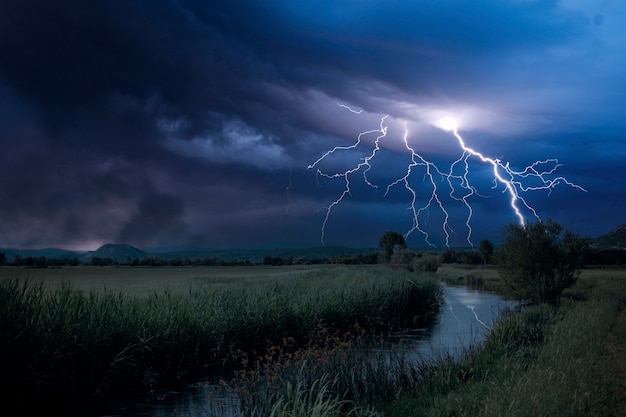
- Avoid open spaces: A field, a beach, or a parking lot makes you the tallest object in the area.
- Avoid tall, isolated objects: A lone tree, a light pole, or a fence post are prime targets for a strike.
- Avoid bodies of water: Water is an excellent conductor of electricity. Get out of the water immediately.
- Avoid elevated ground: Get off of hilltops, ridges, and peaks. The lower you are, the better.
The Final Move: The Lightning Position
If you are caught in the open with no safe shelter, your final move is to adopt the lightning position. This is designed to reduce the surface area of your body and to minimize your contact with the ground, thereby protecting you from ground currents.
- Crouch Down: Get as low as you can. Do not lie flat on the ground. A flat body provides a large surface area for ground currents to travel through.
- Minimize Contact: Put your feet and knees together. This reduces your contact with the ground and creates a smaller path for the current to travel.
- Cover Your Ears: Place your hands over your ears. This helps to protect your eardrums from the shockwave of a nearby strike.
- Stay Low: Stay in this position until the storm has passed.
Remember, a lightning storm is a serious threat. The safest course of action is always to plan ahead and get to a safe place before it begins. But if you find yourself caught, knowing these basic survival principles can be a lifesaver.