
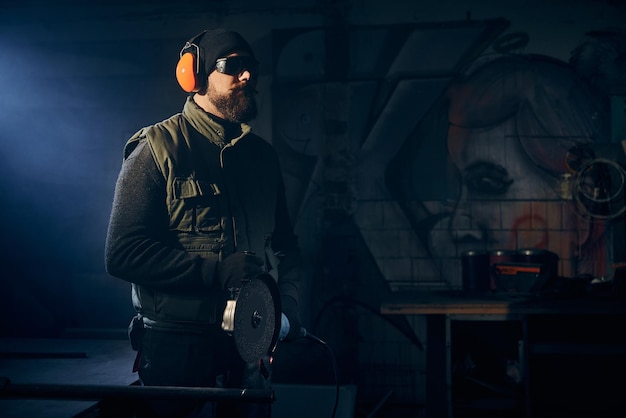
When it comes to tactical operations, most people think of weapons, body armor, or boots first. But there’s another piece of gear that can make or break your mission—tactical headsets and ear protection. These tools aren’t just about keeping your ears safe; they also ensure clear communication, which is vital in high-pressure environments.
Whether you’re in the military, law enforcement, or survival/preparedness, investing in the right headset can dramatically increase your awareness, coordination, and safety.
🎧 1. Why Tactical Headsets Are Essential
Unlike regular headphones, tactical headsets are engineered to handle extreme environments and situations.
- Communication: They allow team members to talk clearly, even in noisy environments.
- Noise Reduction: Protects ears from damaging sounds like gunfire or explosions.
- Situational Awareness: Amplifies safe, ambient sounds (like footsteps or whispers) while blocking harmful noise.
- Hands-Free Operation: With built-in microphones, you can operate weapons, tools, or vehicles without distraction.
👉 Without them, you risk hearing damage, miscommunication, and slower reaction times.
🔊 2. Dual Role: Communication + Safety
The power of tactical headsets lies in their ability to combine ear protection and communication seamlessly.
- Hearing Protection: Reduces harmful decibels without shutting out necessary sounds.
- Enhanced Listening: Amplifies low-level noises like movement, speech, or environmental cues.
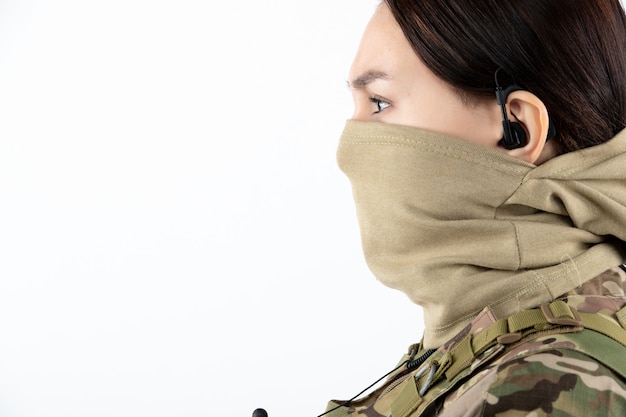
- Radio/Comms Integration: Connects directly to radios for team coordination.
This makes them ideal not only for combat but also for training, hunting, and survival situations.
🪖 3. Types of Tactical Headsets
Different missions call for different gear. Here are the main types:
🔹 Over-the-Ear Headsets
- Provide maximum noise reduction.
- Ideal for shooting ranges, combat zones, and vehicle operations.
🔹 In-Ear Tactical Earbuds
- Lightweight and discreet.
- Great for covert operations or when mobility matters most.
🔹 Bone Conduction Headsets
- Transmit sound through cheekbones instead of the ear canal.
- Keep ears open for natural awareness while still receiving comms.
🔹 Hybrid Systems
- Combine over-ear and in-ear features.
- Allow full customization depending on the environment.
⚡ 4. Key Features to Look For
When choosing tactical headsets, focus on features that improve mission effectiveness and safety:
- Noise Reduction Rating (NRR): Higher NRR = better ear protection.
- Active Noise Cancellation (ANC): Electronic suppression of harmful noise while keeping ambient sounds audible.
- Durability: Military-grade materials that withstand dust, water, and impact.
- Comfort & Fit: Adjustable straps, padding, and lightweight design for long missions.
- Battery Life: Long-lasting or rechargeable batteries for extended operations.
- Comms Compatibility: Must integrate with your radio or communication system.
🏕️ 5. Tactical Use Cases
Tactical headsets aren’t just for soldiers—they’re valuable in many scenarios:
- Military & Law Enforcement: Secure comms, team coordination, and hearing protection.
- Hunters & Outdoorsmen: Protects hearing from gunfire while enhancing environmental awareness.
- Preppers & Survivalists: Critical for group survival planning, security patrols, and stealth.
- Shooting Sports & Training: Keeps ears safe while maintaining clear coach-to-shooter communication.
🛠️ 6. Maintaining Your Tactical Headset
A quality headset is an investment. Keep it performing with simple care:
- Clean ear pads and microphones regularly.
- Store in a dry, protective case.
- Replace batteries or recharge after each use.
- Inspect for cracks or damage to wiring and padding.
✅ Final Thoughts
Tactical headsets are more than just fancy ear protection—they are life-saving tools that combine communication, safety, and awareness into one device. Whether you’re on the battlefield, at the shooting range, or preparing for survival, having the right headset can mean the difference between confusion and coordination.
Your gear is only as strong as your weakest link. Don’t let poor communication or hearing damage hold you back—equip yourself with tactical headsets built for the mission.