
When it comes to tactical gear, being able to see in the dark can mean the difference between safety and vulnerability. Two of the most popular technologies for low-light vision are night vision and thermal imaging. While both are designed to help you operate in darkness, they work in very different ways—and each has its advantages depending on the situation.
So, which is better for tactical use? Let’s break it down.
What Is Night Vision?
Night vision technology amplifies existing light—such as moonlight or starlight—to make your surroundings visible in the dark. It doesn’t create light; it enhances the light that’s already there.
✅ Advantages of Night Vision
- Clear Image Recognition: Lets you see people, objects, and terrain details clearly.
- Affordable Options: More budget-friendly than thermal imaging.
- Lightweight & Portable: Common in goggles and scopes.
❌ Limitations of Night Vision
- Needs Some Light: Doesn’t work well in pitch-black environments.
- Glare from Bright Light: Headlights or flashlights can temporarily blind the device.
- Limited Detection: Struggles to see through smoke, fog, or heavy foliage.
What Is Thermal Imaging?
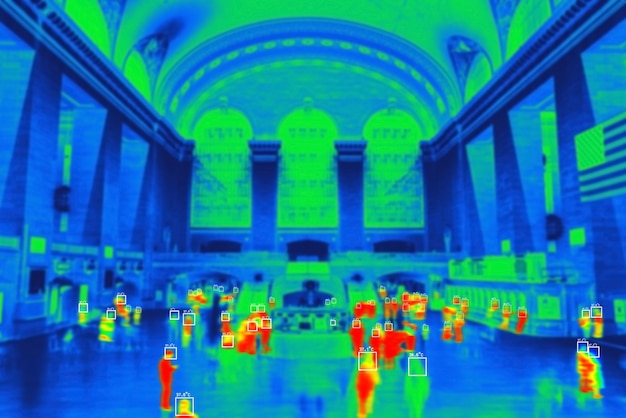
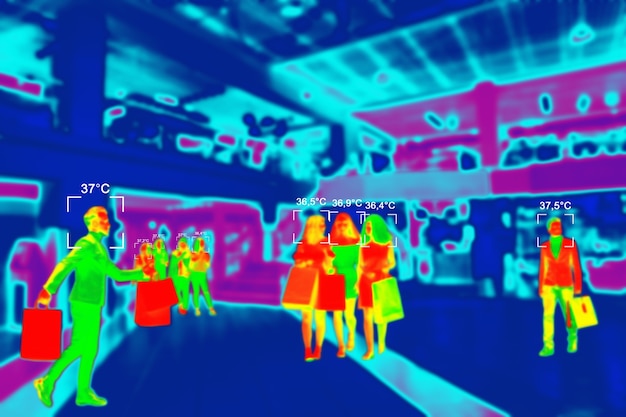
Thermal imaging detects heat signatures emitted by objects, animals, and people. It doesn’t rely on visible light at all, making it useful in complete darkness or poor weather conditions.
✅ Advantages of Thermal Imaging
- Works in Total Darkness: No need for moonlight or ambient light.
- Detects Hidden Targets: Can see through smoke, fog, light foliage, and even thin walls.
- Excellent for Tracking: Heat signatures make moving targets easy to spot.
❌ Limitations of Thermal Imaging
- Expensive: Generally costs more than night vision devices.
- Lower Image Detail: Doesn’t show clear facial features or object details.
- Bulkier Designs: Thermal scopes and cameras can be heavier than night vision gear.
Tactical Comparison: Night Vision vs Thermal Imaging
| Feature | Night Vision | Thermal Imaging |
|---|---|---|
| Works in Total Darkness | ❌ No | ✅ Yes |
| Identifies People/Objects Clearly | ✅ Yes | ❌ No (only heat outlines) |
| Works in Bad Weather (Fog, Smoke) | ❌ No | ✅ Yes |
| Cost | ✅ Affordable | ❌ Expensive |
| Tactical Use | Good for navigation, close-quarters ops | Great for detection, surveillance, long-range spotting |
Which One Should You Choose?
- For Close-Range Navigation & Identification → Night Vision is better. It gives clear, detailed visuals in low light, making it ideal for patrolling, moving through buildings, or close-range tactical situations.
- For Detection & Surveillance → Thermal Imaging is superior. It can detect hidden or camouflaged threats from a distance, making it perfect for search-and-rescue, hunting, or military surveillance.
👉 Many professionals actually combine both technologies—using thermal for detection and night vision for identification.
Final Thoughts
When it comes to night vision vs thermal imaging, the answer isn’t one-size-fits-all. Both technologies serve different tactical needs: night vision excels in recognition and navigation, while thermal imaging dominates in detection and all-weather performance.
If your budget allows, having both in your tactical toolkit provides the ultimate advantage.