
When you think about survival gear or tactical loadouts, your mind usually jumps to backpacks, knives, fire starters, or weapons. But in the field, where timing and awareness can mean the difference between safety and disaster, a tactical watch becomes one of the most underrated yet vital tools you can carry. Unlike ordinary watches designed for fashion or casual use, tactical watches are built with durability, reliability, and survival in mind.
From coordinating operations to navigating uncharted territory, a tactical watch doesn’t just tell time—it supports decision-making and enhances your readiness in high-pressure situations.
Why Tactical Watches Are Essential
Your hands may be holding tools, weapons, or gear, but your wrist is always free. That makes the tactical watch one of the most accessible, always-available tools in survival or operational scenarios. It’s not about style—it’s about function under stress.
- In military operations, precise timekeeping keeps missions coordinated.
- For survivalists and preppers, navigation tools can help find direction when tech fails.
- For first responders, durability ensures the watch survives the same tough conditions they face.
Where smartphones and GPS devices can fail due to dead batteries, signal loss, or damage, a rugged tactical watch keeps working, no matter the environment.
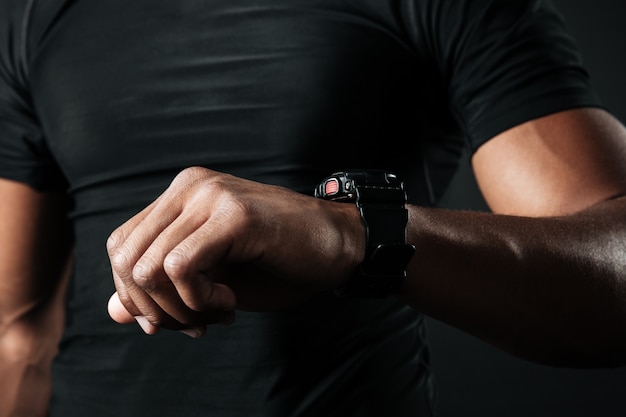
Core Features of Tactical Watches
1. Rugged Durability
Built from high-strength materials like sapphire crystal, titanium, reinforced resin, or stainless steel, tactical watches are resistant to scratches, shocks, and impact damage. Many are water-resistant to extreme depths, making them ideal for divers and rescue teams.
Example: Casio G-Shock models are famously tough, designed to withstand drops, water submersion, and vibration.
2. Navigation Tools
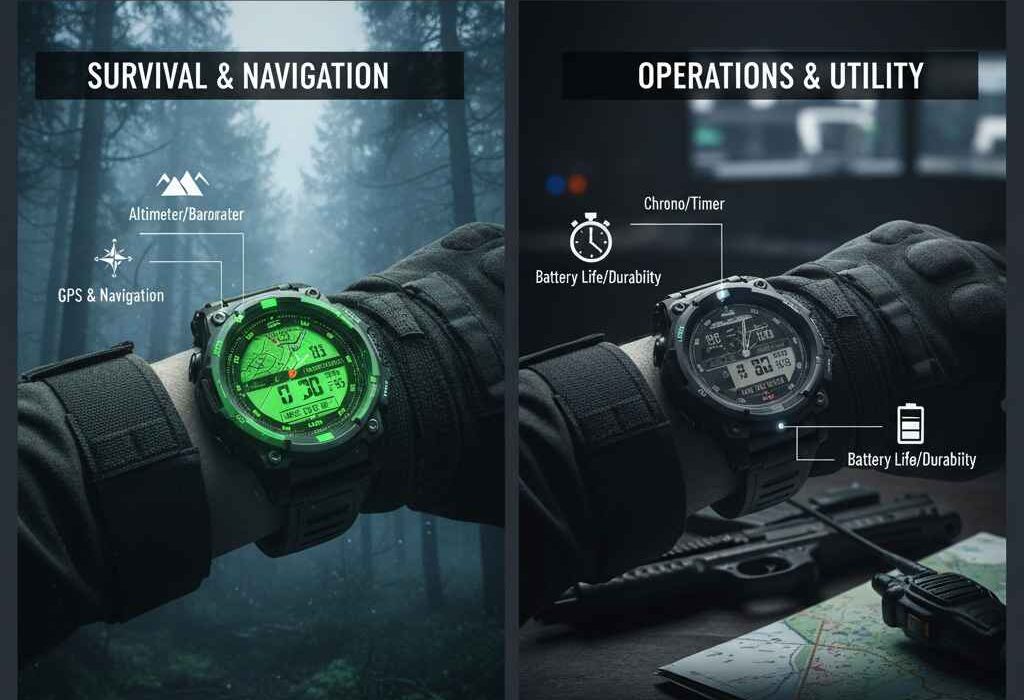
Navigation is critical in survival. Many tactical watches come with built-in GPS, digital compasses, or altimeters. These features allow you to track your route, monitor elevation, and orient yourself even when maps and electronic devices are unavailable.
Example: Garmin Instinct Tactical Edition includes GPS, GLONASS, and Galileo support, offering multi-satellite navigation for maximum accuracy.
3. Environmental Awareness
The environment can turn against you quickly. Tactical watches with barometers can alert you to sudden drops in air pressure—a sign of an incoming storm. Thermometers and sunrise/sunset trackers help plan shelter setup and travel.
Example: Suunto Core Survival Watch features a storm alarm, barometer, and altimeter—critical tools for mountaineering and wilderness survival.
4. Stealth and Visibility
In some tactical environments, being seen can get you killed. That’s why many watches feature anti-reflective coatings, subdued colors, and night-vision compatibility. They let you check time or compass readings in the dark without giving away your position.
Example: Luminox Navy SEAL series uses tritium tubes for constant low-light visibility without requiring an external light source.
5. Reliable Power Sources
Unlike smartphones that need daily charging, many tactical watches rely on long-life batteries, solar charging, or kinetic energy. This ensures your watch won’t die in the middle of a mission.
Example: Casio G-Shock Solar models recharge using sunlight, while mechanical tactical watches like Marathon rely on winding and movement.
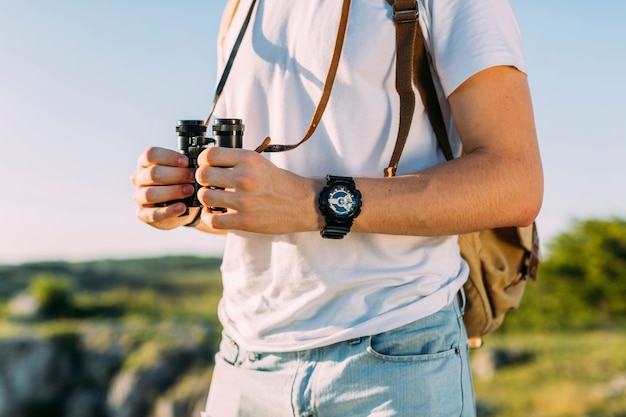
Choosing the Right Tactical Watch
The best tactical watch isn’t just the most expensive—it’s the one that matches your mission profile. Here’s a breakdown:
- Military / Security Operators: Go for ballistic-grade durability with GPS (Garmin Tactix Delta, Suunto Traverse Alpha).
- Survivalists / Preppers: Look for solar-powered models with compass/barometer/altimeter (Casio G-Shock Rangeman, Suunto Core).
- Divers / Rescue Teams: Choose watches with high water resistance and depth gauges (Luminox Navy SEAL, Marathon Diver).
- Everyday Tactical EDC: A rugged but affordable watch with shock resistance and basic tools (Casio G-Shock Mudmaster).
Tactical Watches vs. Regular Watches
| Feature | Tactical Watch | Regular Watch |
|---|---|---|
| Durability | Shock, water, and impact resistant | Minimal protection |
| Navigation | GPS, compass, altimeter | Time only |
| Environmental Tools | Barometer, thermometer, storm alerts | None |
| Stealth | Non-reflective, night-vision compatibility | Often shiny, not covert |
| Power Options | Solar, kinetic, long-life batteries | Standard battery |
The difference is clear: tactical watches are designed to be survival tools, not fashion accessories.
Final Thoughts
A tactical watch might seem like a small piece of gear compared to rifles, boots, or survival kits, but in practice, it’s one of the most reliable allies you can have in the field. It’s always on your wrist, ready to deliver critical data—whether that’s storm alerts, navigation assistance, or simple precise timekeeping when you need to move as a unit.
For survivalists, soldiers, preppers, and anyone serious about readiness, investing in a tactical watch is not about luxury—it’s about staying alive and operational when the unexpected happens.