


When most people think of peak performance, they imagine athletes pushing their physical limits, entrepreneurs working long hours, or artists creating masterpieces in a state of flow. But what if I told you that true peak performance isn’t about grinding harder—it starts from within?
Your ability to succeed, thrive, and push past challenges depends less on external resources and more on how you harness your inner strengths. By tuning into your mindset, energy, and resilience, you can unlock levels of performance you may not have realized were possible.
The Myth of Constant Hustle
We live in a culture that glorifies hustle. Work harder. Sleep less. Push more. While discipline is valuable, constant hustle often leads to burnout, not breakthroughs.
Peak performers understand a simple truth: you can’t pour from an empty cup. When your mind and body are aligned, recovery and focus are prioritized, and your purpose is clear—you can achieve more with less effort.
Step 1: Master Your Mindset
Your thoughts shape your outcomes. Research in neuroscience shows that a growth mindset—believing your abilities can improve with effort—dramatically improves performance across fields.
- Reframe challenges as opportunities. Instead of seeing obstacles as roadblocks, view them as chances to grow.
- Visualize success. Athletes and top performers use mental imagery to prepare their minds before stepping into action.
- Practice gratitude. Studies link gratitude to better focus, higher resilience, and improved problem-solving.
Step 2: Fuel Your Body for Energy
Performance isn’t just mental—it’s physical. Your body is your engine, and how you fuel it determines how far you can go.
- Prioritize sleep. Sleep is where recovery, memory consolidation, and creativity happen. Lack of it sabotages performance faster than anything else.
- Eat for focus. Whole foods, lean proteins, and brain-boosting fats (like omega-3s) provide steady energy, while sugar spikes cause crashes.
- Move daily. You don’t need a gym. Even 20 minutes of walking, stretching, or mobility exercises improves circulation and sharpens thinking.
Step 3: Build Emotional Resilience
Pressure is inevitable. What separates peak performers is how they respond when things get tough.
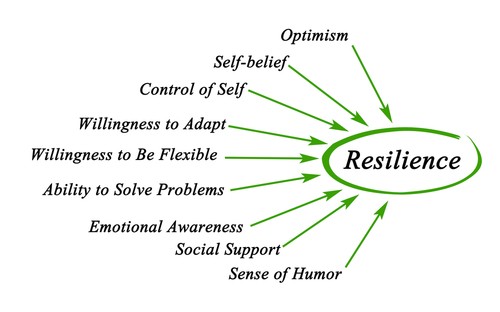
- Breathing techniques. Deep breathing or box breathing activates your parasympathetic nervous system, lowering stress in real time.
- Rehearse calm under stress. Expose yourself to small, manageable stressors—like cold showers or timed challenges—to train resilience.
- Anchor to purpose. When setbacks hit, remind yourself of why you’re doing it. A strong “why” fuels persistence.
Step 4: Optimize Your Environment
Your surroundings can either drain your energy or amplify it.
- Declutter your workspace. A clear space promotes a clear mind.
- Control digital distractions. Use focus tools or time-blocking to protect deep work.
- Surround yourself with growth-minded people. Energy is contagious—be intentional about who you spend time with.
Step 5: Align with Your Hidden Strengths
Finally, unlocking peak performance means tapping into your unique, often overlooked strengths.
- Identify flow activities. What makes you lose track of time? That’s where your hidden strengths lie.
- Leverage personality strengths. Tools like StrengthsFinder or journaling can uncover natural abilities you didn’t realize were assets.
- Play to your energy rhythms. Notice when you feel most energized (morning, afternoon, evening) and schedule your toughest work then.
The Takeaway
Peak performance isn’t about working harder than everyone else—it’s about working smarter with yourself. By mastering your mindset, fueling your body, building resilience, optimizing your environment, and aligning with your hidden strengths, you unlock a version of yourself that operates with focus, power, and flow.
The truth is, your greatest edge isn’t out there—it’s already within you, waiting to be activated.