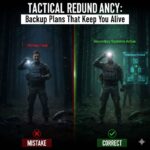


Risk management is the proactive tactical skill of identifying potential threats, assessing their impact, and having a plan to deal with them. It’s a simple, four-step cycle that can turn a potential disaster into a minor hiccup.
1. Identify the Risk: The Reconnaissance Phase
This is where you look for every possible thing that could go wrong. Don’t hold back. Think of all the potential threats to your mission.
- Tactical Example: If you’re planning a hiking trip, identify risks like bad weather, a sprained ankle, or a lack of water. If you’re launching a business, identify risks like a competitor’s new product or an economic downturn.
- The Tactic: Brainstorm and list every potential risk, no matter how small.
2. Assess the Risk: The Intelligence Phase
Now that you have a list, you need to prioritize. Not all risks are created equal. You need to assess both the likelihood of the risk happening and its potential impact if it does.
- Tactical Example: A sprained ankle on your hike has a high likelihood and a high impact. A meteor hitting your car has a low likelihood and a high impact. Your friend forgetting to bring snacks has a high likelihood and a low impact.
- The Tactic: Create a simple matrix or a list to prioritize risks from most critical to least critical.
3. Treat the Risk: The Strategic Phase
Once you’ve identified and assessed the risks, you need a plan. You have four main tactical options for dealing with each risk:
- Avoid: Change your plan to eliminate the risk entirely (e.g., postpone the hike due to a storm).
- Mitigate: Reduce the likelihood or impact of the risk (e.g., bring a first-aid kit for the sprained ankle).
- Transfer: Shift the risk to someone else (e.g., buy travel insurance for your trip).
- Accept: Acknowledge the risk and decide to live with the consequences (e.g., accept the risk of your friend forgetting snacks).
- The Tactic: For each major risk, choose and implement one of these four strategies.

4. Monitor the Risk: The Continuous Phase
Your mission isn’t over once you have a plan. The environment is always changing, and new risks can emerge.
- The Tactic: Regularly review your risk plan. Check the weather forecast, monitor your team’s progress, and stay aware of market conditions. This continuous monitoring is what separates a proactive tactician from a reactive one.
The Bottom Line: Don’t just hope for the best. Plan for the worst. By making risk management a continuous, tactical habit, you’re not just preparing for a crisis—you’re building a more resilient life, business, or project.